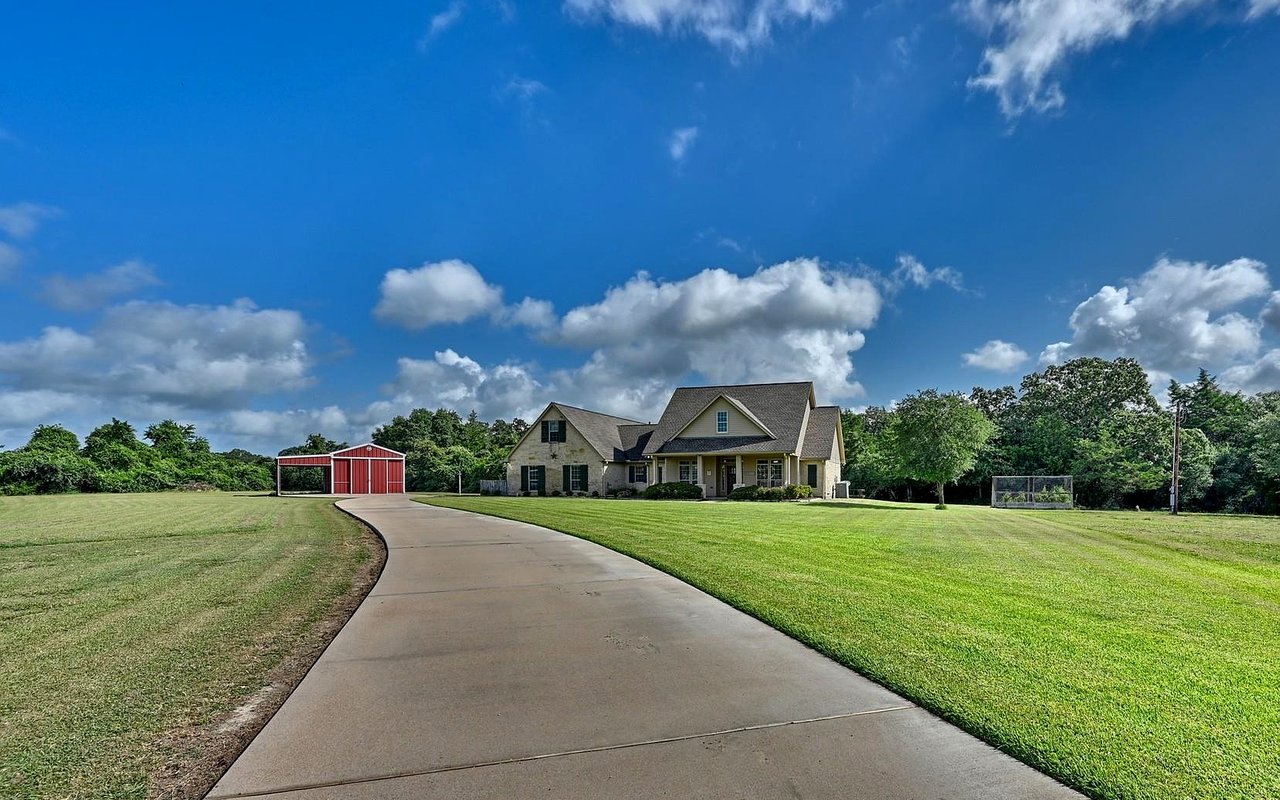
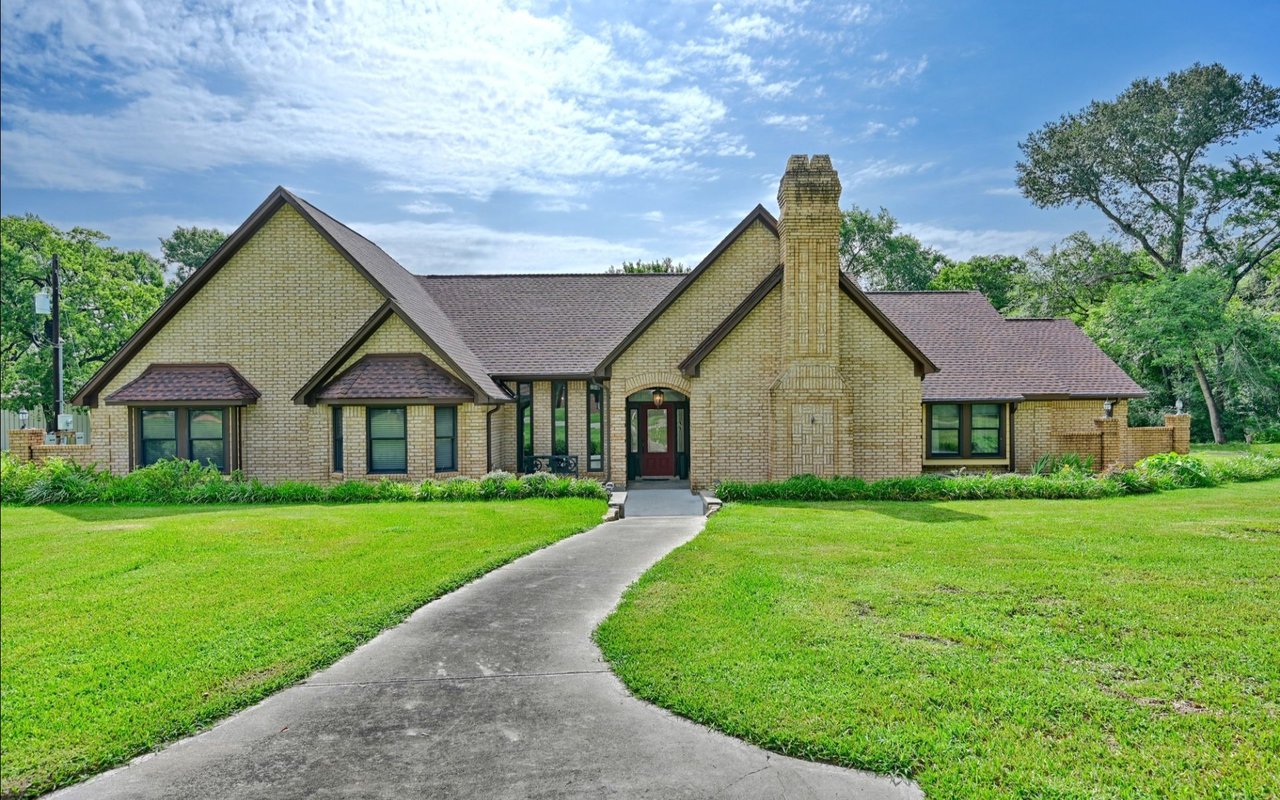
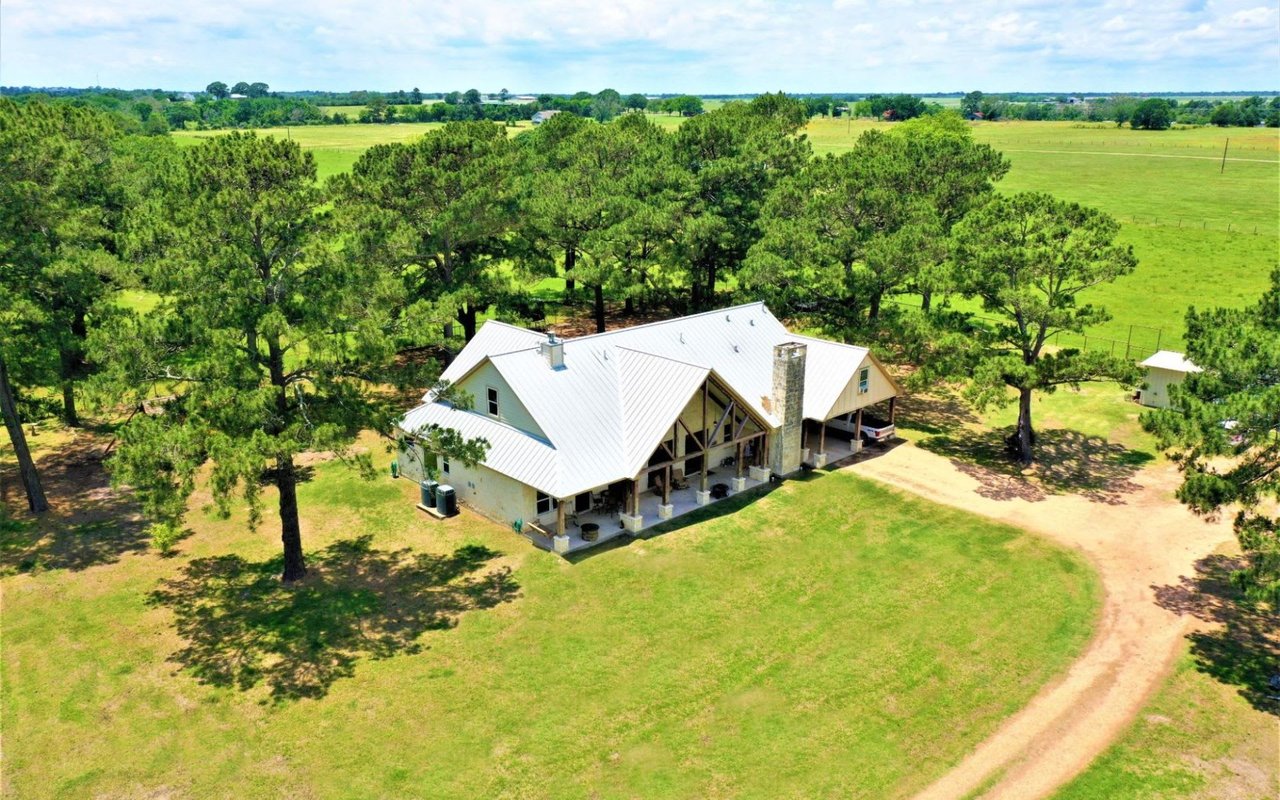
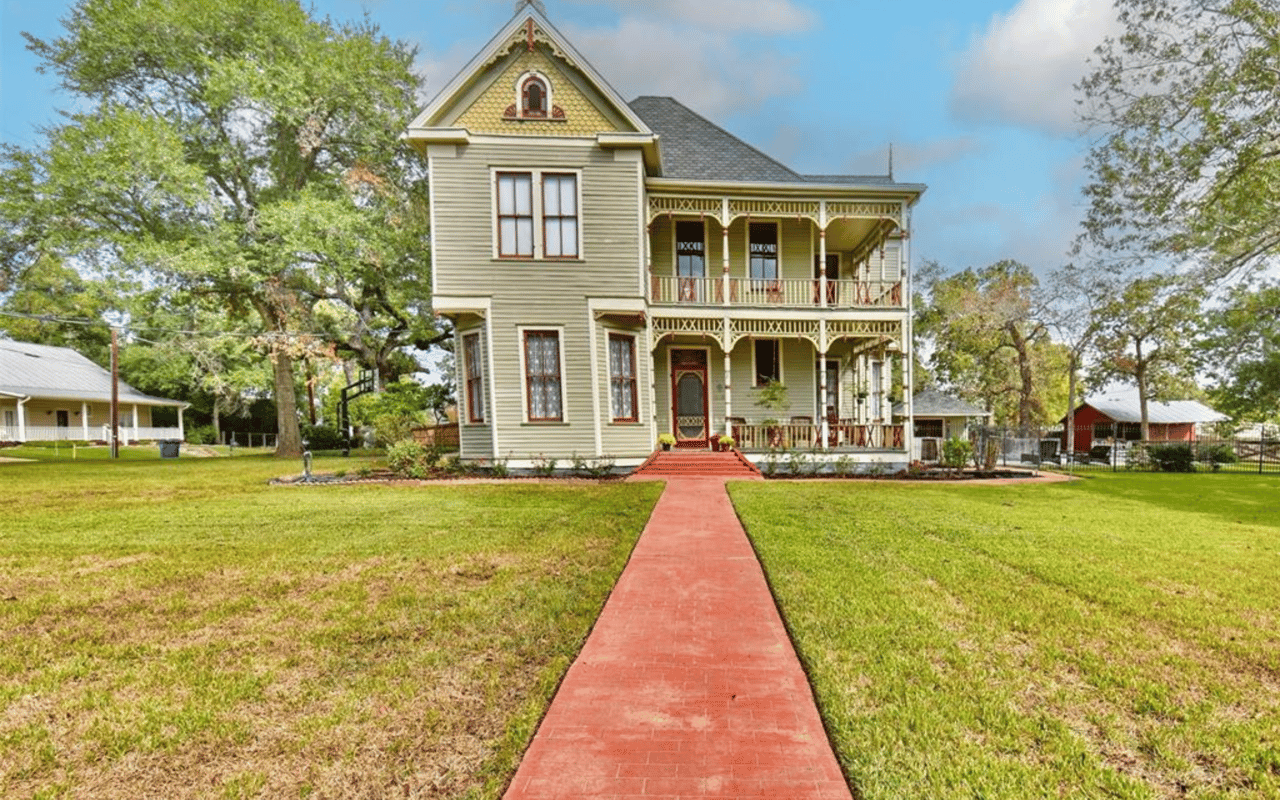
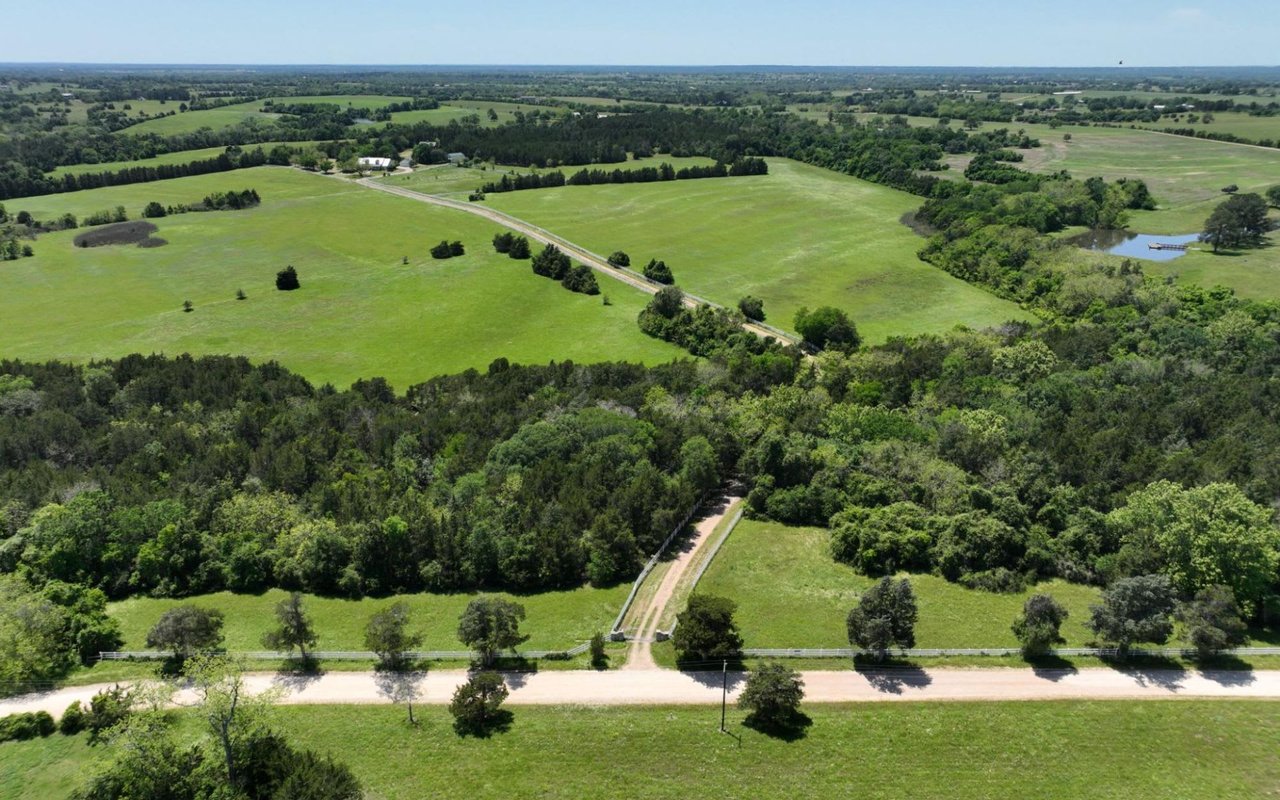
You are looking at a listing for twenty acres somewhere between Brenham and Chappell Hill, and the annual tax line reads a few hundred dollars. A house on a quarter-acre in town pays more than that. The listing calls it "ag exempt," and it reads like a permanent feature of the land, something baked into the deed the way the fence lines and the pond are baked into the survey.
It isn't. That number describes how the land is being used this year, not a price you inherit when you buy it. Change the use, even in a small and reasonable way, and Washington County can reach back and bill you for the difference between what you paid and what you would have paid at market value. The rule got friendlier in the last few years. It did not go away.
The Number Is Real. It's Also Temporary.
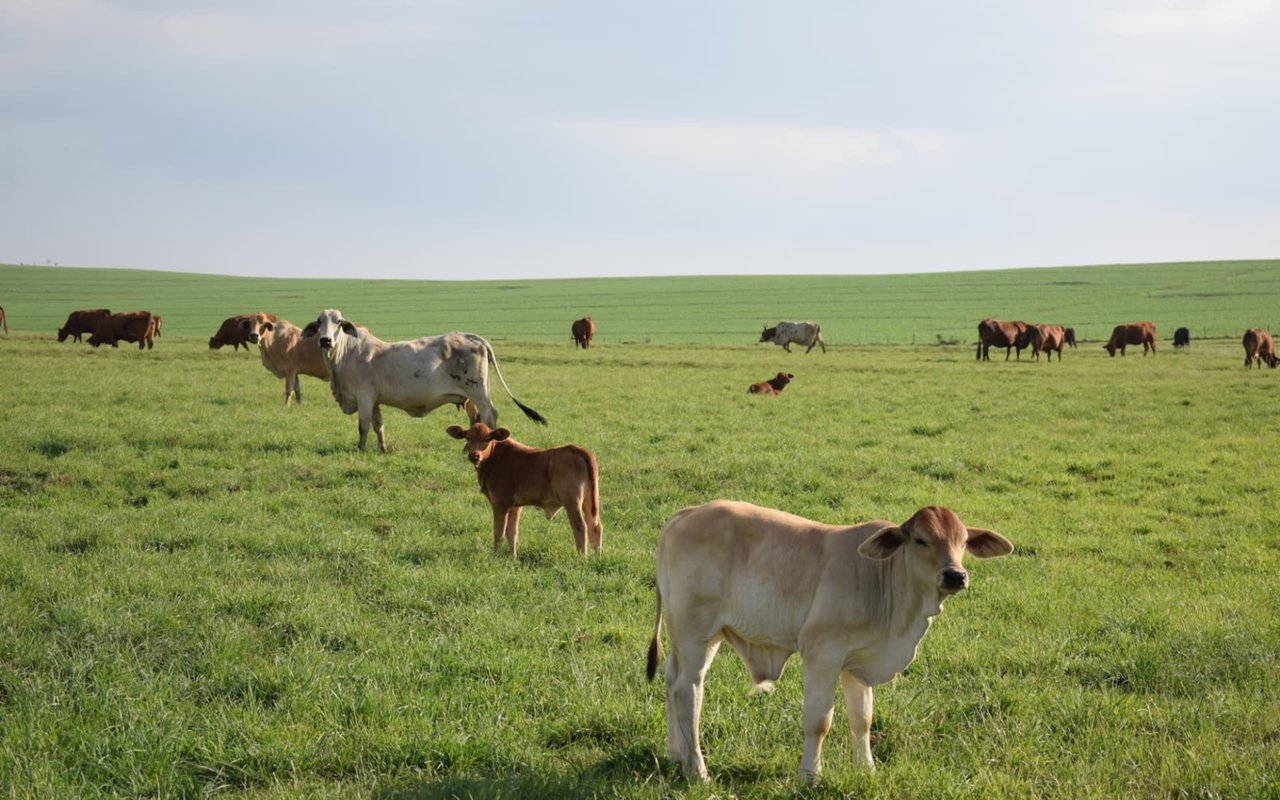
Texas taxes qualifying agricultural land on what it produces, not what it would sell for. That's the whole mechanism behind the low number on an ag-exempt listing near Brenham, Chappell Hill, or Burton. A tract running cattle or hay gets appraised on productivity value instead of market value, and because productivity value runs so far below market value on most Washington County acreage, the tax bill drops accordingly. Texas Farm Credit, which underwrites a lot of this land, puts the typical savings at hundreds or even thousands of dollars a year depending on location and rate.
That's a real number for the current owner, under the current use. It is not a number attached to the dirt. The moment qualifying use stops, whether because a buyer builds a home, fences off a yard, or simply lets the fields sit idle, the appraisal district can pull the valuation and send a bill for the gap.
What Changed in 2021, and Why the Old Version Still Gets Repeated
Two bills reshaped this rule, and a lot of what circulates online still describes the version before them.
House Bill 1743, effective September 1, 2019, cut the rollback lookback from five years to three. House Bill 3833, effective June 15, 2021, went further and removed the interest charge entirely for open-space agricultural land and for qualified timberland. Before those changes, a buyer who triggered a rollback could owe five years of back taxes plus 7 percent annual interest. Now it's three years, calculated as the difference between what was paid under productivity value and what would have been paid at market value, with the change-year itself excluded and no interest added on top.
That's a real improvement. It is also why a buyer doing casual research can land on an older guide, still quoting the five-year, interest-bearing version, and walk into a negotiation with the wrong number in their head. The Texas Comptroller's own ag and timber appraisal guidance reflects the current law, and it's worth checking directly rather than trusting whatever guide loads first.
What Washington County's Own Numbers Say About the Gap
The rollback bill is only as big as the distance between productivity value and market value. That distance moves every year, and Washington County's 2026 certified values, released by the appraisal district in early August, show which direction it's moving.
| Taxing Entity | 2025 Average Homestead Value | 2026 Average Homestead Value |
|---|---|---|
| Washington County / Blinn College District | $360,080 | $361,950 |
| Brenham ISD | $363,695 | $365,687 |
| Burton ISD | $334,407 | $334,909 |
| City of Brenham | $296,290 | $293,115 |
| City of Burton | $265,949 | $273,347 |
| Oak Hill Fresh Water District | $452,733 | $466,549 |
| Pecan Glen Road District | $535,023 | $543,469 |
Chief Appraiser Dyann White reported these figures alongside protest data: 3,009 protests filed in 2026, about 6 percent of properties in the county, down slightly from 3,097 the year before. Most owners aren't contesting these market values. They're watching them climb, or in the case of the City of Brenham this year, dip slightly, while the productivity value on qualifying ag land stays essentially flat because it's tied to what the land produces, not what a subdivision buyer would pay for it.
That widening or narrowing gap is exactly what a rollback bill is built from. On a large tract in a fast-growing part of the county, three years of that gap can add up to a five or six figure bill, even without the interest that used to make it worse.
What Actually Trips the Wire
The change-of-use trigger is broader than most buyers expect.
- Building a home on ground that was previously grazed or planted
- Fencing off a personal yard around a new house, even on part of a larger qualifying tract
- Letting the fields sit idle or pulling livestock off without a replacement plan
- Subdividing the tract or platting it for development
- Simply failing to keep up the documentation a wildlife or agricultural plan requires
That last one carries its own separate cost. Under Texas Tax Code rules described by the State Bar of Texas, failing to notify the appraisal district of a change in use can add a 10 percent penalty on top of whatever the rollback taxes would have been. The rollback is the bill for the land. The penalty is for not telling anyone the bill was coming.
The Questions Worth Asking Before You Close
- Ask the seller's side for the parcel's actual exemption history from the Washington County Appraisal District, not just the tax figure printed on the listing sheet.
- Confirm how long the current qualifying use has run. A valuation with a short history is more fragile than one with years of documented grazing, hay production, or an approved wildlife management plan behind it.
- Get a rough estimate of what three years of the productivity-to-market gap would cost at today's rates, so you know the ceiling before you're the one holding the parcel when the use changes.
- Decide honestly, before you sign anything, whether you plan to keep the qualifying use going. A vague "we'll figure it out" is how a weekend homesite ends up owing three years of back taxes nobody budgeted for.
- If financing is involved, confirm the lender isn't assuming the ag valuation continues automatically, since the rollback bill lands on whoever owns the land when the use ends, not on whoever benefited from the low number for the previous several years.
The appraisal district's forms, including Form 50-129 for a 1-d-1 open-space application, and the April 30 annual filing deadline, are worth knowing before closing rather than after. Washington County Appraisal District's office sits at 1301 Niebuhr Street in Brenham, and Chief Appraiser Dyann White's team can pull a parcel's exemption history directly.
The Rates Underneath the Exemption Are Moving Too
It isn't only market values climbing. The rates applied to them are shifting as well. Burton's city council approved a property tax rate increase on September 10, raising the rate from $0.3363 to $0.4200 per $100 of valuation, with the added revenue, roughly $40,000, going toward infrastructure including the city's new water well. That's a small city adjusting to real costs, and it's a reminder that the market-value side of any future rollback calculation isn't a fixed number either. Waiting to decide how you'll use a tract doesn't freeze the exposure. Both halves of the gap, the rising market value and the rate applied to it, tend to move in the same direction.
A Few Questions We Hear Often
If I keep raising cattle exactly like the previous owner did, does anything change? Not automatically, but don't assume the valuation transfers cleanly on its own. Contact the appraisal district after closing to confirm the account reflects continuous qualifying use under the new ownership.
What if I only want to build on a few acres of a larger tract? Rollback exposure generally applies to the portion where use actually changes, not necessarily the whole parcel, though how a district treats a phased or partial change can vary. This is worth confirming with the appraisal district before you plan a build site.
Is there any way to build a home and keep some tax relief? A residence homestead exemption is a separate benefit from agricultural valuation, and the two aren't interchangeable. It's worth asking what you'd qualify for on the homesite portion once the ag valuation on that acreage ends.
None of this makes acreage near Brenham, Chappell Hill, Burton, or Washington a bad move. It makes the tax line on the listing sheet exactly what it is: a snapshot of the seller's use, not a promise attached to the land. Buyers who ask for the exemption history before they write an offer, rather than after they close, are the ones who never get the surprise bill.
If you're comparing acreage anywhere in Washington County and want someone to pull the exemption history on a specific parcel before you make an offer, the Lindi Camaron Team works this ground every week and can walk it with you before you're the one holding the tax bill.