Buying a small ranch in Chappell Hill can feel exciting right up until the details start stacking up. You may be picturing pasture, a pond, weekend rides, or a future homesite, but country property comes with questions that do not always show up in a standard home purchase. This checklist will help you focus on the issues that matter most in Washington County so you can evaluate a tract with more confidence. Let’s dive in.
Start With Access and Title
Before you fall in love with the land, make sure you can legally and practically use it the way you expect. On a small ranch, access, easements, and boundary questions can affect everything from fences to driveways to future improvements.
A current survey should be one of your first steps. Texas A&M AgriLife’s Real Estate Research Center notes that a land title survey can map boundaries, rights of way, easements, and visible improvements. That gives you a clearer picture of what you are actually buying, not just what appears in listing photos or aerial maps.
You should also compare the survey to the title commitment before closing. In Texas, title insurance is not required, but the title commitment is still a key document because it lists issues, exceptions, and exclusions. The legal description in the title record should match the survey.
Check for Access Problems
Access is not something to assume. The Texas Department of Insurance lists no right of access as a possible title defect, and that can become a major issue on rural land.
If the property is reached by a private road or shared drive, ask who maintains it and whether any agreements are in place. Washington County rules require privately maintained roads to connect to a publicly maintained road, and the landowner is responsible for driveway surface maintenance.
Review Easements and Restrictions
Easements can affect where you build, fence, clear, or place improvements. Texas A&M AgriLife notes that easements may involve access, utilities, drainage, or mineral and drill-site rights, and they can limit or prohibit structures in certain areas.
It is also important to review any private deed restrictions or covenants in the title record. Washington County does not enforce deed restrictions, so these matters need to be understood up front.
Ask About Future Division
If you think you may want to split the tract later, review county platting and subdivision rules before you buy. Washington County subdivision standards include frontage and easement requirements that could affect your long-term plans.
Verify Water, Septic, and Floodplain Early
In Chappell Hill area ranch purchases, water and wastewater questions can be just as important as price per acre. Washington County handles septic and floodplain review in unincorporated areas, so it makes sense to involve county staff early in your due diligence.
Find Out Where Water Comes From
Start by asking whether the property uses public water or a private well. The Texas Commission on Environmental Quality says public water systems regularly test for contaminants and issue annual Consumer Confidence Reports, while private well owners are responsible for their own testing.
If the property has a well, ask for the well log or report, water-quality tests, and maintenance records. The Texas Groundwater Protection Committee recommends having an existing well inspected by a licensed driller or pump installer, and annual water testing is recommended after the initial test.
Confirm Septic Status
Do not assume an existing septic system is fully documented or sized for your intended use. Washington County administers septic permitting countywide, and permits are required for new, altered, repaired, or enlarged onsite sewage systems.
Ask for permit history and any records tied to the current system. If the ranch has an aerobic system, verify that there is a maintenance contract in place and that the provider is properly registered with the county.
Check Well and Septic Spacing
On smaller tracts, spacing can become a real issue. Washington County’s septic checklist calls for a water well report when the well is less than 100 feet from the drainfield.
The county also notes that septic systems are sized based on water usage and wastewater strength. That means your future plans for a house, guest space, or other improvements can affect whether the current setup still works.
Review Floodplain and Drainage
Floodplain status should be verified before you make plans for a homesite, barn, pond, or driveway crossing. Washington County participates in the National Flood Insurance Program and requires floodplain permits and authorization before floodplain-related work begins.
Texas A&M AgriLife also recommends showing the flood zone on the survey or confirming that the tract is outside it. Even if the property looks dry during a showing, drainage patterns and floodplain limits still need to be reviewed carefully.
Evaluate How Usable the Land Really Is
A small ranch can look great on paper but function very differently in real life. Gross acreage is only part of the story. You need to understand how much of the tract is actually usable for grazing, recreation, building, or access.
Look Beyond Aerial Photos
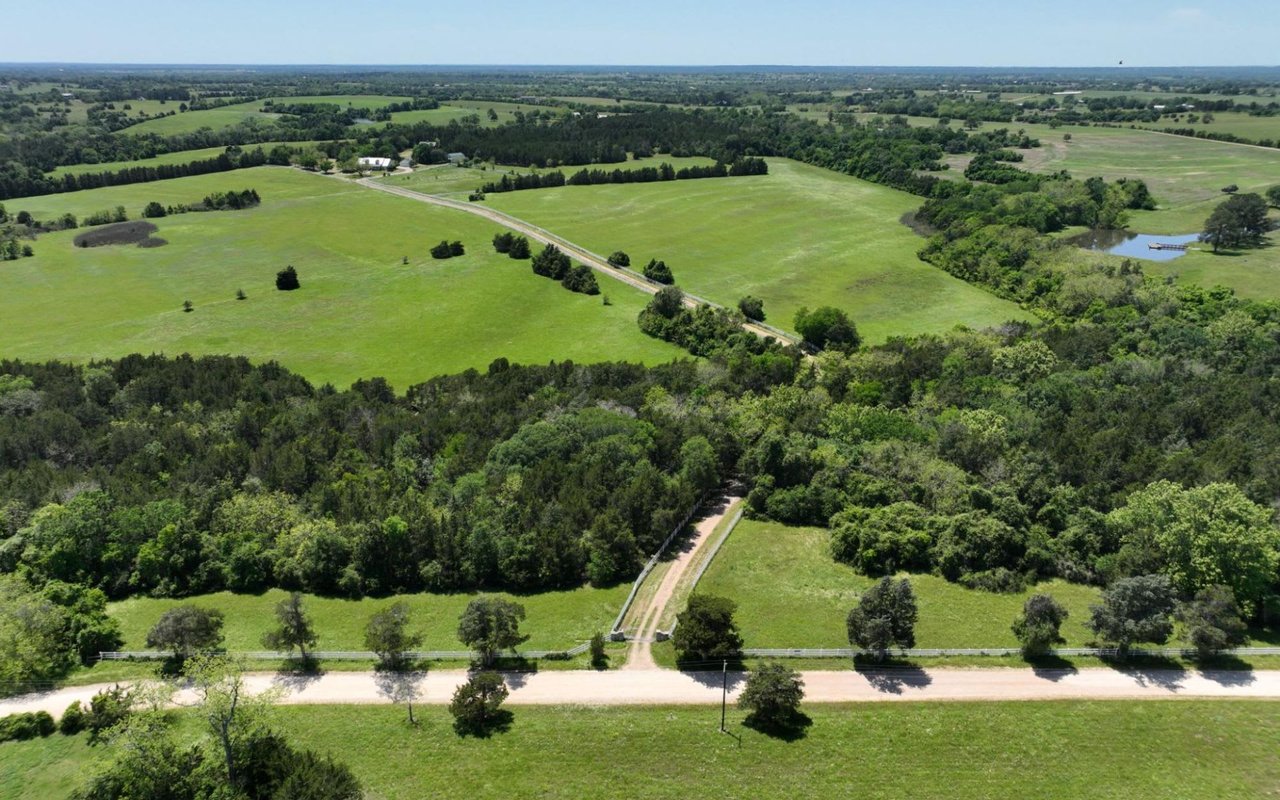
Aerial photos can be helpful, but they do not tell you everything about soils, slope, rock cover, brush, or drainage. The Natural Resources Conservation Service says Web Soil Survey provides current soil information for land-use decisions.
Texas A&M AgriLife also notes that grazeable acreage depends on factors like brush, rock cover, slope, water, forage, and access. A 15-acre tract and another 15-acre tract may offer very different real-world utility.
Consider Topography
If the property is hilly or if drainage matters for your building plans, a topographic survey may be worth considering. Texas A&M AgriLife notes that topographic information can help with hilly land, building sites, and drainage decisions.
This can be especially useful if you want to place a house, barn, arena, or driveway in a way that works with the land rather than against it.
Check Fences and Improvements
Do not assume existing fences, barns, sheds, or pens are located where they should be. Easements and rights of way can affect where improvements are allowed, and the survey should help show those relationships.
If a driveway crosses the county right-of-way, Washington County standards require a permit for the driveway culvert, set minimum culvert diameter requirements, and place maintenance responsibility on the landowner. Those details matter if you are budgeting for improvements after closing.
Match the Property to Your Long-Term Goals
The right small ranch is not just about what the property is today. It is also about whether the tract fits how you want to use it in the future.
For Livestock, Estimate Grazeable Acreage
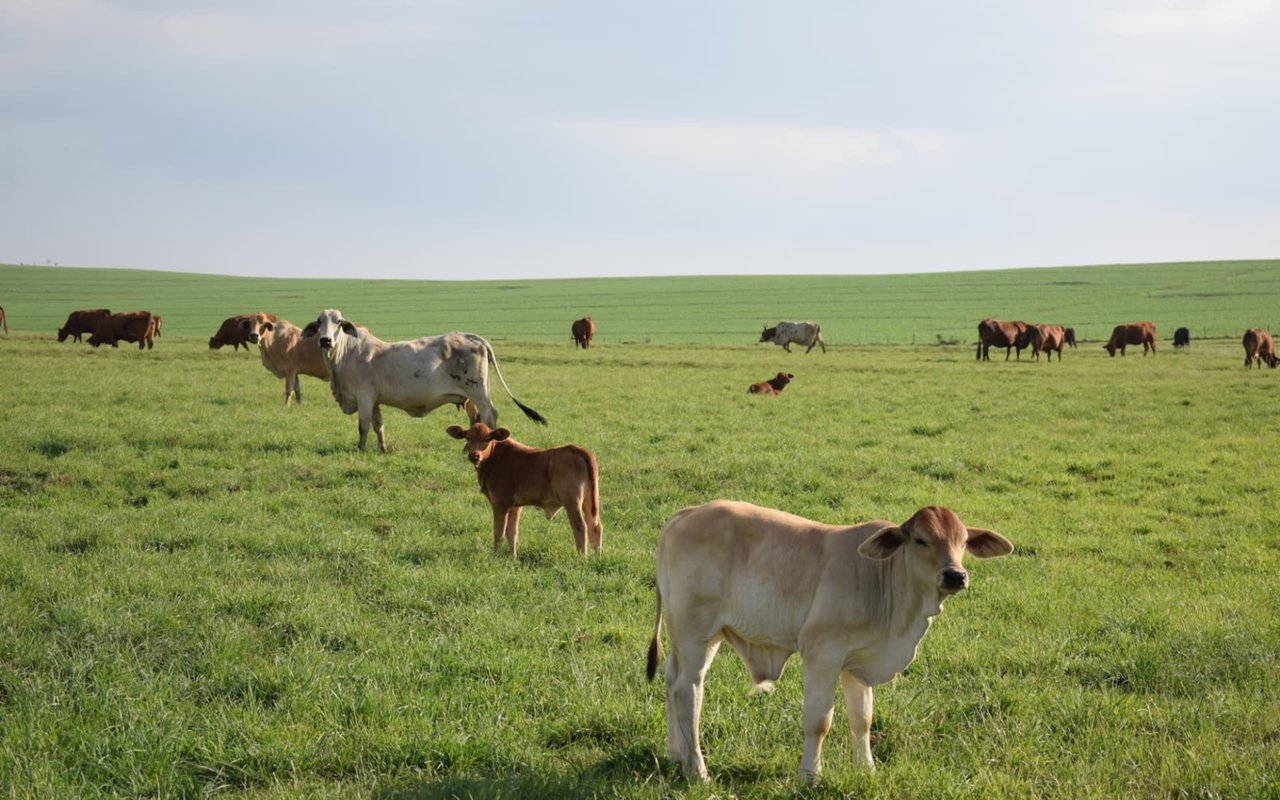
If you plan to keep livestock, focus on actual grazeable acreage rather than total acreage alone. Texas A&M AgriLife points out that usable grazing land depends on land conditions like slope, forage, brush, water, and access.
That makes soil and pasture review an important part of your buying checklist. A smaller but more usable tract may be a better fit than a larger one with major limitations.
For Recreation or Wildlife, Check the Path Early
If your goal is recreation or wildlife management instead of production, review the tax and management requirements early. Texas Parks and Wildlife says wildlife management appraisal requires a wildlife management plan, at least three of seven approved practices, and current open-space qualification.
In other words, your intended use should line up with both the land itself and the current appraisal pathway.
Understand Agricultural Appraisal
If the property currently has agricultural or open-space appraisal, that can affect carrying costs in a big way. The Texas Comptroller says qualifying farm and ranch land is appraised based on productivity value rather than market value.
That can be beneficial, but you should still confirm whether the current use supports that status and whether your plans would continue it.
Model the Tax Impact of a Use Change
Changing the property from agricultural use to a non-agricultural use can have tax consequences. The Texas Comptroller says a change in use can trigger rollback tax for each of the previous three years, and some land categories can also accrue interest.
That is why it is smart to think through your ownership plan before closing, not after.
Build Your Due-Diligence Team
Small ranch purchases usually go more smoothly when the right specialists are involved early. In the Chappell Hill area, that often means combining local county guidance with property-specific experts.
A strong pre-closing team may include:
- A title company to provide the title commitment and help identify exceptions, exclusions, and recorded issues
- A surveyor to map boundaries, easements, rights of way, and visible improvements
- Washington County engineering or environmental staff for floodplain and septic questions in unincorporated areas
- A licensed well professional to inspect a private well and review water-related concerns
- A septic designer, licensed site evaluator, or professional engineer if the system is complex, near a well, or in a flood-prone area
- Soil or pasture support using NRCS and Texas A&M AgriLife resources for land-use and grazing questions
A Simple Ranch-Buying Checklist
If you want a practical way to stay organized, use this checklist as you evaluate a small ranch in Chappell Hill:
- Order a current survey early
- Compare the survey to the title commitment
- Verify legal access to a publicly maintained road connection
- Review easements, rights of way, and private restrictions
- Ask whether the property can be divided later under county rules
- Confirm whether water is public or private
- Request well logs, water tests, and maintenance records for a private well
- Confirm septic permit history and system type
- Verify aerobic maintenance records if applicable
- Check well-to-drainfield spacing
- Review floodplain status before planning improvements
- Evaluate soils, slope, drainage, brush, and usable acreage
- Confirm where fences and outbuildings sit relative to easements
- Estimate grazeable acreage if livestock are part of your plan
- Review current agricultural or open-space appraisal status
- Model rollback tax risk if you may change the use
- Bring in county staff and property specialists before closing
A small ranch purchase can be incredibly rewarding when the property matches your goals and the details have been fully checked. If you want experienced guidance as you compare land, ask better questions, and move through the process with confidence, The Lindi Camaron Team is here to help.
FAQs
What should you check first when buying a small ranch in Chappell Hill?
- Start with legal access, a current survey, and the title commitment so you can confirm boundaries, easements, rights of way, and any title issues early.
Why is septic review important for a small ranch in Washington County?
- Washington County administers septic permitting countywide, and permit history, system type, sizing, and maintenance records can affect whether the property fits your planned use.
How do you verify water service on a Chappell Hill ranch property?
- Ask whether the property uses public water or a private well, then request well logs, water-quality tests, and maintenance records if a well serves the tract.
How can floodplain status affect a small ranch purchase in Chappell Hill?
- Floodplain status can affect where you place improvements, and Washington County requires floodplain permits and authorization before certain floodplain-related work begins.
What is grazeable acreage on a small ranch property?
- Grazeable acreage is the portion of the land that is realistically usable for grazing after considering brush, slope, rock cover, water, forage, and access.
What should you know about agricultural appraisal before buying a ranch in Washington County?
- You should confirm whether the tract currently receives agricultural or open-space appraisal and whether your intended use would maintain that status or create rollback tax risk.