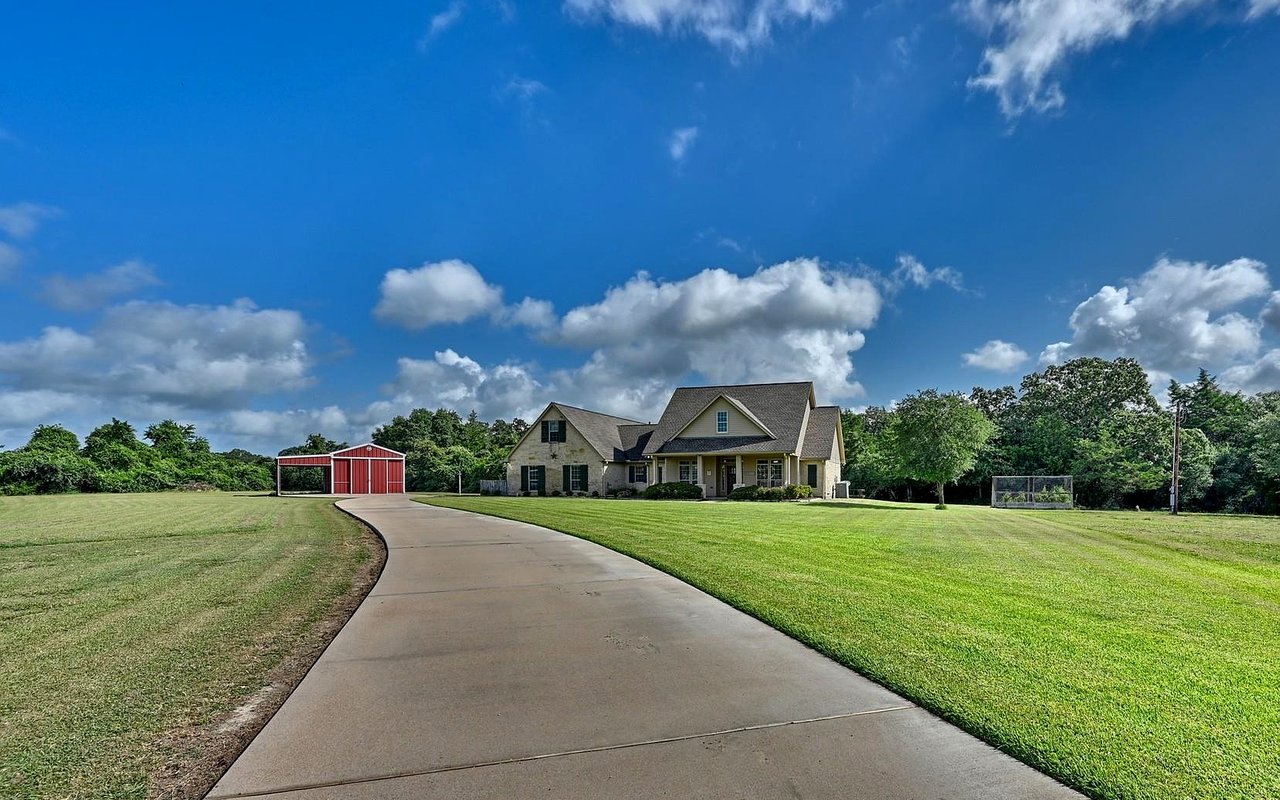
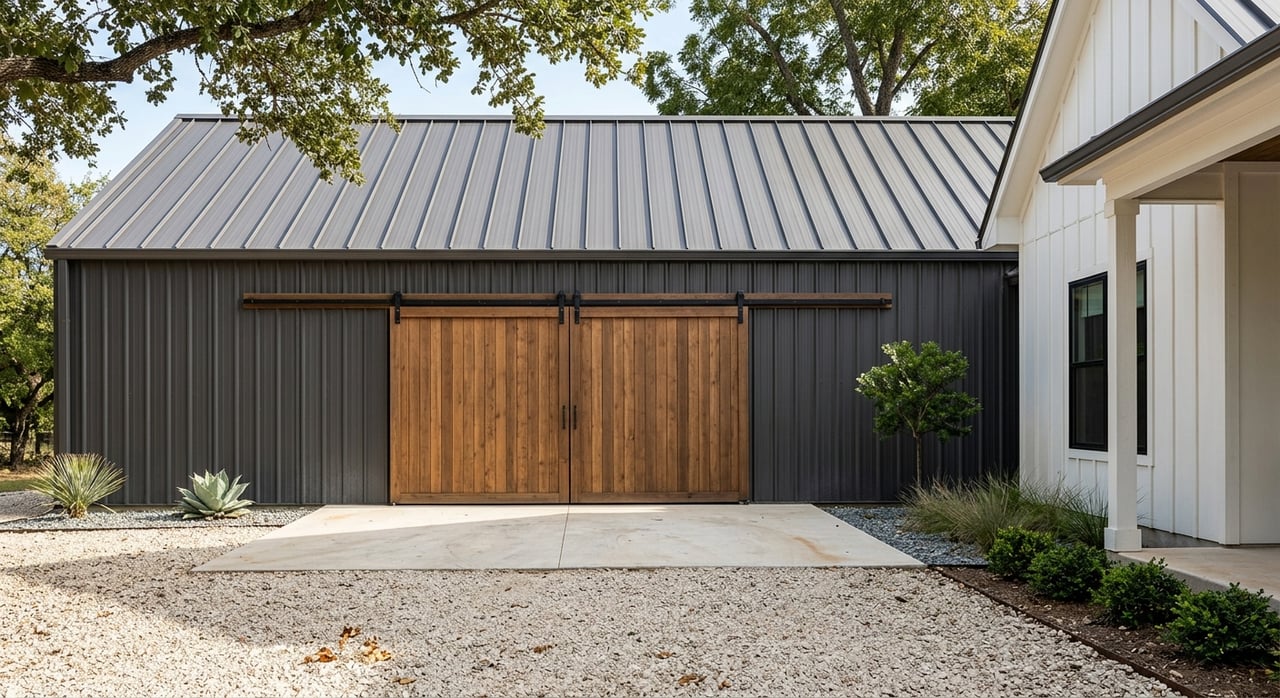
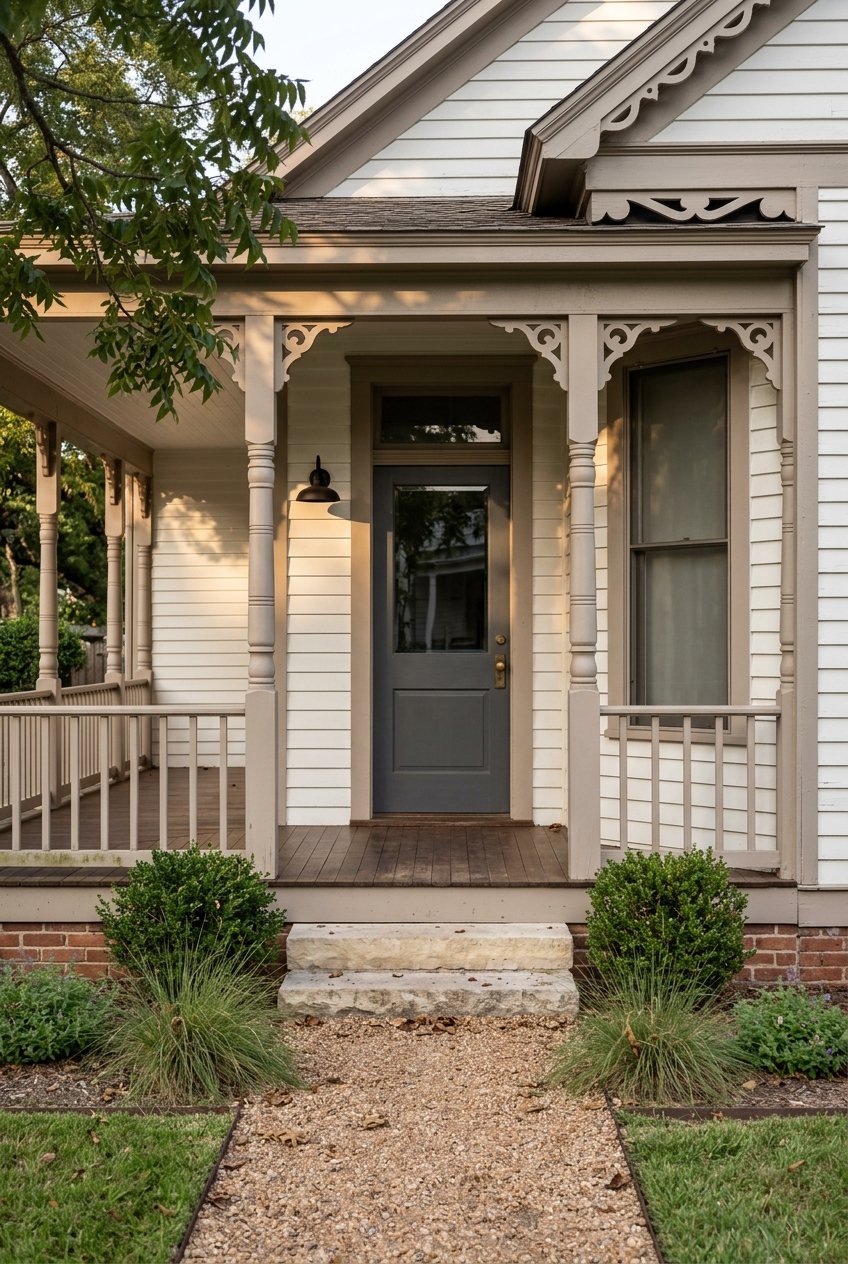
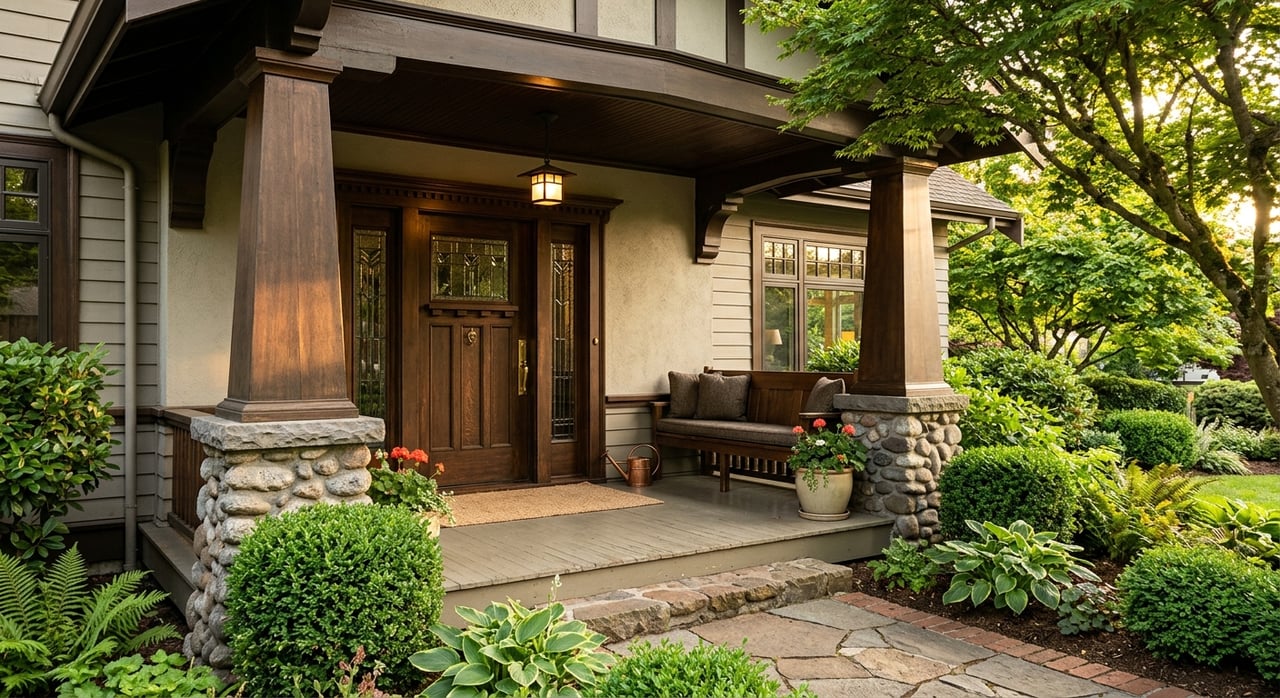
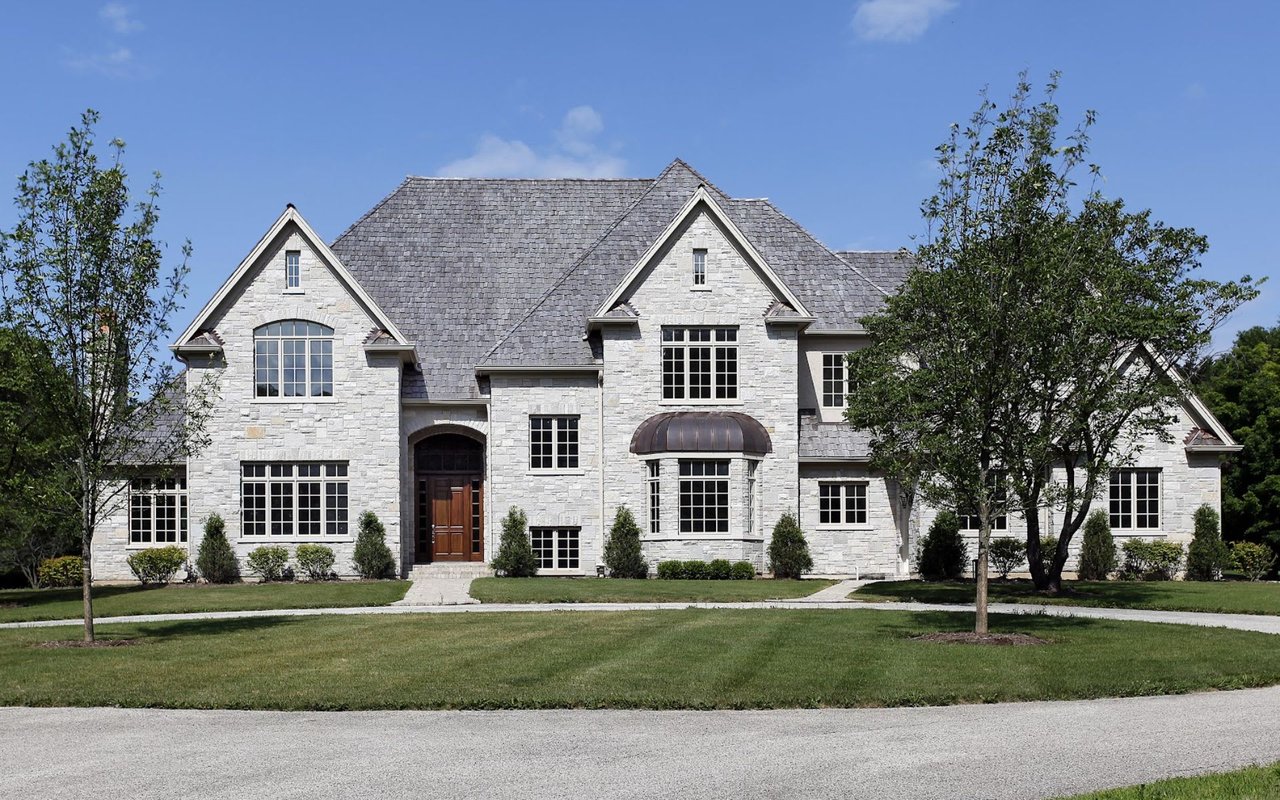
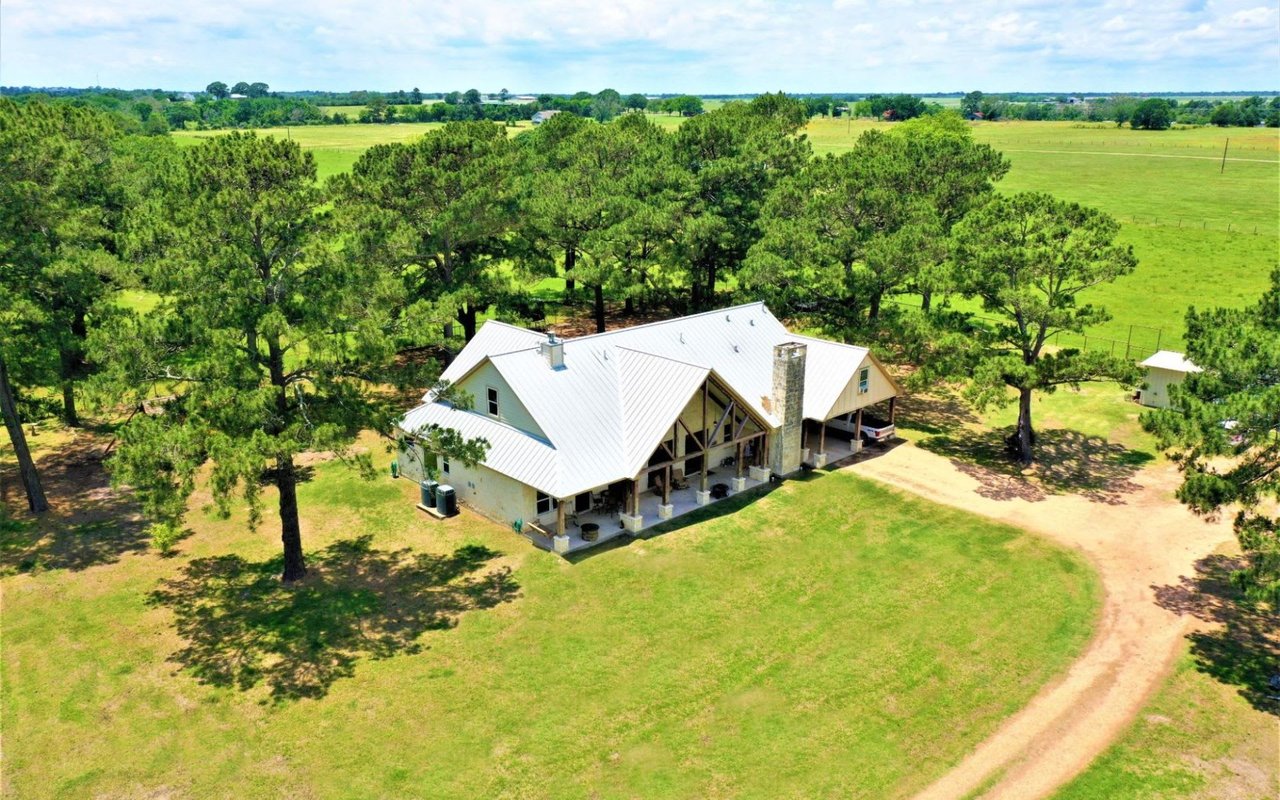
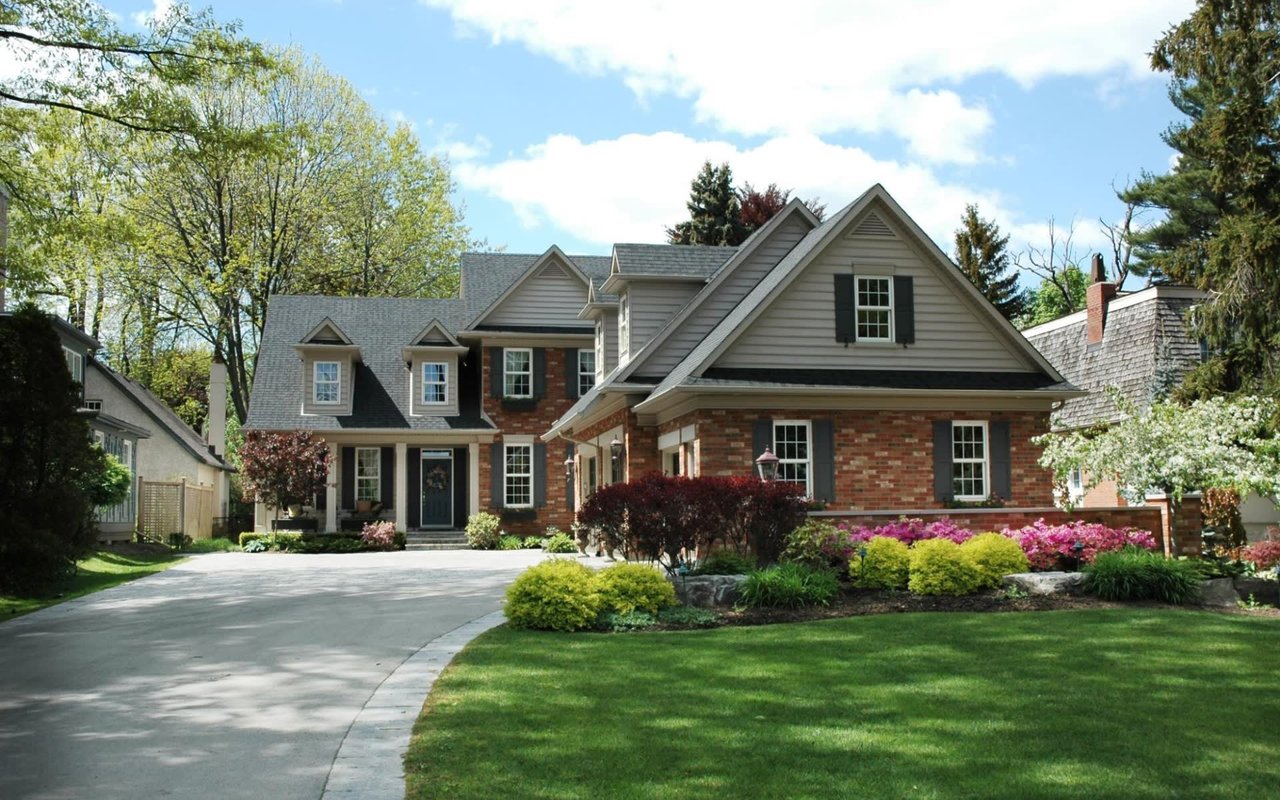
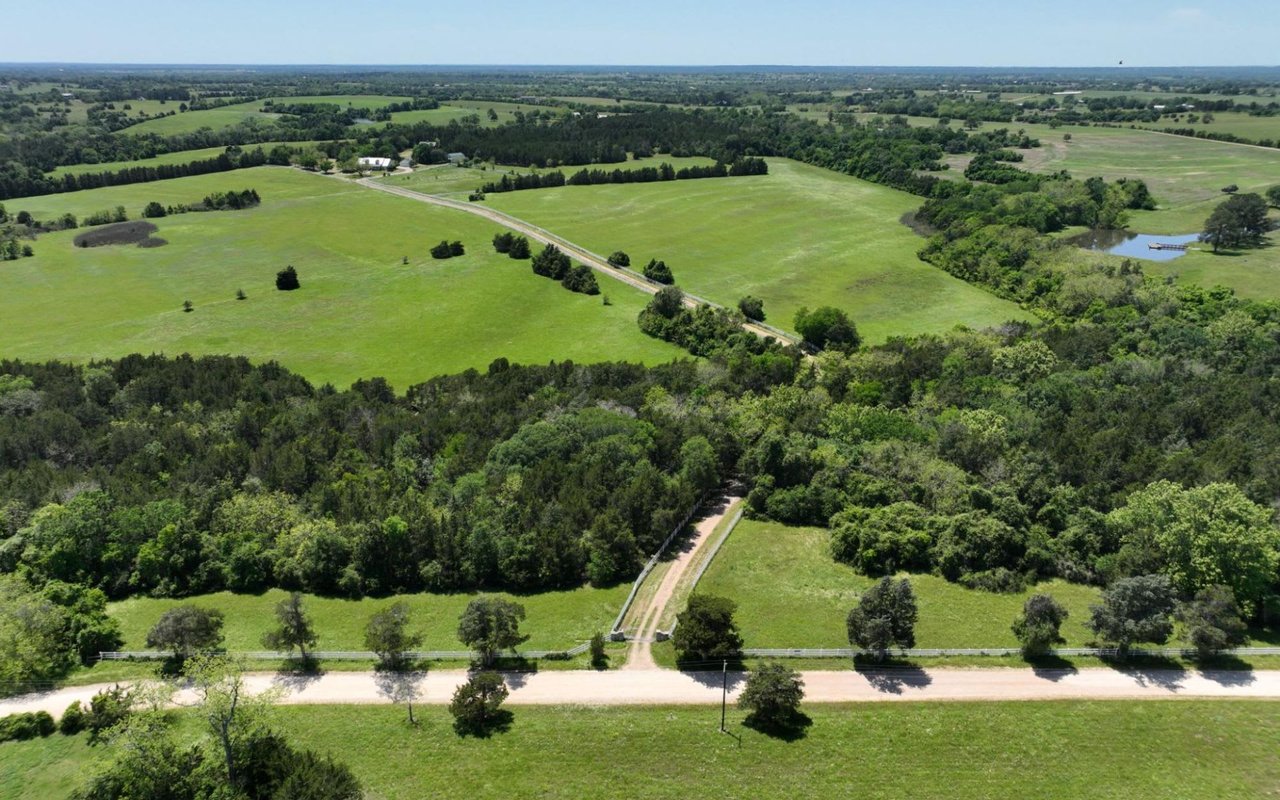
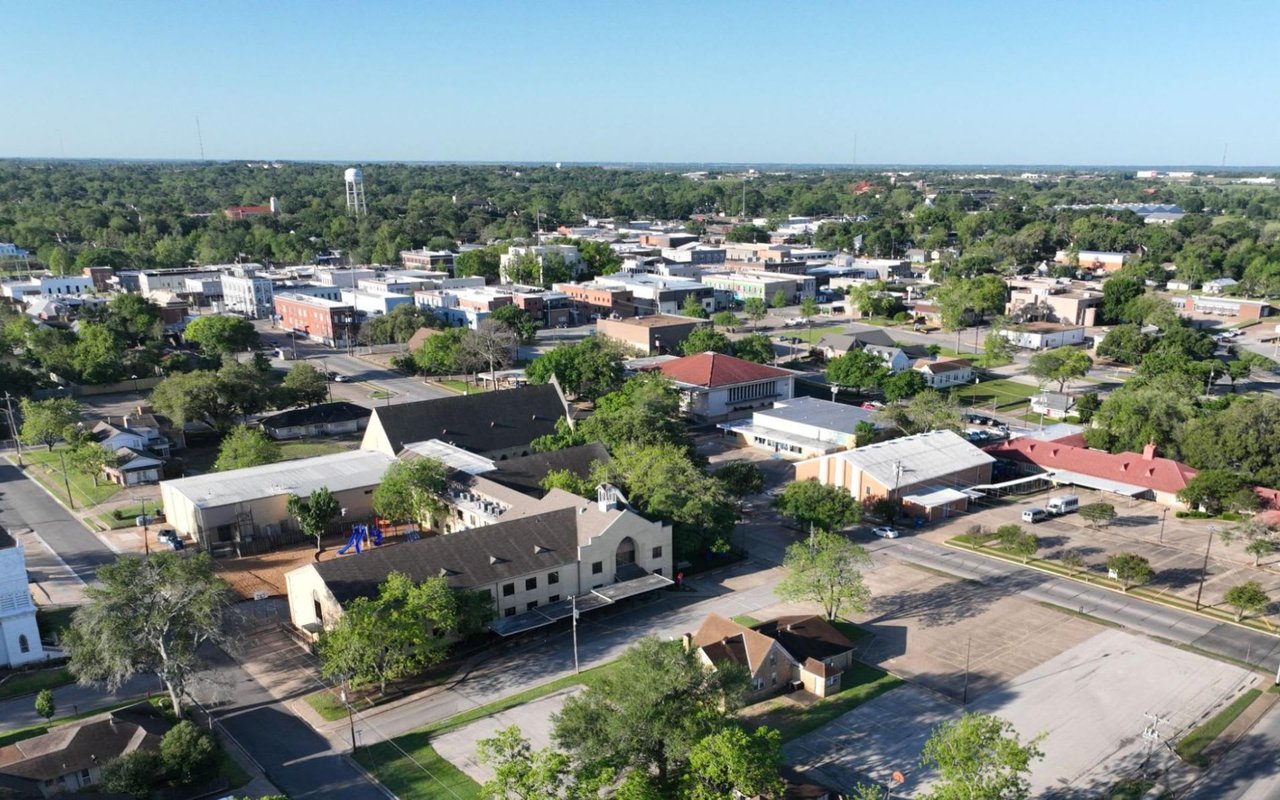
Thinking about trading your Brenham address for more land, more privacy, and a little more room to breathe? It is an exciting move, but it also comes with a different set of decisions than a typical local sale and purchase. When you move from an in-town home to acreage in Washington County, you are not just changing properties. You are also changing how financing, taxes, utilities, and property upkeep may work. Let’s walk through what to plan for before you make your move.
Why moving to acreage is different
Selling your Brenham home to buy acreage often means managing two transactions with very different rules. Your current home may be tied to city utilities and a more straightforward residential process, while acreage can bring land-specific questions that need answers early.
Inside Brenham, the city’s utility system covers services like electric, water, wastewater, gas, and related service calls. In unincorporated parts of Washington County, acreage buyers are more likely to rely on private wells, septic systems, and county review for issues like septic permitting and floodplain status. That shift alone can affect how quickly you should evaluate a property.
Plan your timing early
If you want to buy acreage before your current home closes, timing matters more than many sellers expect. The first conversation should usually be with your lender, because your financing options may shape your whole strategy.
Fannie Mae allows bridge financing in certain situations, but the lender must document your ability to carry payments on your current home, your new home, the bridge loan, and your other obligations. That means overlap financing can be possible, but only if your full debt picture supports it.
What this means for your move
Before you shop seriously for acreage, it helps to know:
- whether you can qualify while still owning your current home
- how much overlap your budget can handle
- whether your lender sees the acreage property as a standard purchase or a more specialized one
- how much flexibility you need on your Brenham home sale timeline
Acreage purchases often involve more due diligence, so the right timing plan can help you avoid feeling rushed on either side of the move.
Check financing against the property
Not every rural property fits every loan program. If you hope to use USDA financing, both your household and the specific property have to meet program rules.
USDA states that its single-family housing programs apply to homes in eligible rural areas, and eligibility depends on both household income and the specific address. In other words, you cannot assume a property qualifies just because it is outside town or has acreage.
Ask these financing questions early
When you find a property you like, confirm:
- whether the address falls in an eligible area for your loan program
- whether the property type fits the lender’s guidelines
- whether extra time is needed for rural property review
- whether buying before selling will change your approval options
This is one reason acreage shopping should start with a financing conversation, not just an online search.
Understand your homestead timing
One of the biggest questions move-up sellers ask is whether they can keep their homestead exemption on the Brenham home while also claiming it on the new acreage home. In Texas, a residence homestead must be your principal residence, and the applicant must state that they do not claim another residence homestead in or outside Texas.
For most sellers, that means the old home and the new home generally cannot both be treated as your homestead at the same time. This is less about paperwork alone and more about timing your move correctly.
Where to handle local tax questions
If you have questions about exemptions, deferrals, or local property tax administration, Washington CAD is the local office to contact. Texas also directs exemption applications to the county appraisal district where the property is located.
Exemption applications are generally filed before May 1. If you buy after January 1, Texas allows the new owner to receive the exemption for the applicable portion of the year if the previous owner did not receive that same exemption.
Do not assume acreage gets agricultural valuation
A common mistake is thinking a larger rural tract will automatically come with agricultural tax treatment. In Texas, special agricultural appraisal is based on the land’s capacity to produce agricultural products, and the land must meet specific use and intensity requirements.
The land must be currently devoted principally to agricultural use and generally have qualifying agricultural or timber history. If the use changes, rollback taxes can apply for the prior three years.
Why this matters near Brenham
Not every tract near Brenham will qualify just because it looks rural. Texas also notes that land inside an incorporated city or town faces added qualification criteria tied to whether the city provides comparable general services.
If agricultural valuation is important to your budget, verify the property’s status with Washington CAD before you buy. It is much better to confirm the current valuation and history than to make assumptions based on appearance or acreage size.
Prepare for utility and infrastructure changes
Moving from a Brenham home to acreage often means taking on more responsibility for the property’s systems. In town, city utilities handle a lot of the infrastructure that homeowners may barely think about day to day.
Brenham’s Public Utilities Department oversees electric, natural gas, water, wastewater, sanitation and recycling collection, and drainage-related services. On acreage, some of those systems may become your direct responsibility.
Private wells require active oversight
If your acreage home uses a private well, you are responsible for the household water supply. EPA states that private well owners are responsible for delivering safe drinking water to their homes, and public drinking water rules do not apply to privately owned wells.
EPA and CDC recommend annual testing for private wells, including bacteria, nitrates, total dissolved solids, and pH. EPA also advises retesting after flooding, repairs, construction, or noticeable changes in water quality.
Septic review should happen early
Washington County manages on-site sewage facility permitting countywide. The county states that all new, altered, repaired, or enlarged septic systems require a permit before work begins, regardless of acreage.
The county’s permit checklist may require a legal description, soil evaluation, site plan, and in some cases a water well report when the well is close enough to the drainfield to matter. For buyers, that makes septic feasibility an early due diligence item, not a last-minute detail.
Floodplain status matters on rural land
Washington County also administers floodplain determinations and floodplain development permitting in unincorporated areas. If development or construction is planned within the floodplain, the county requires a permit and authorization before work begins.
If you are buying acreage with future plans in mind, floodplain review should be part of your first round of research. It can affect how you use the property and how you plan future improvements.
What to evaluate before making an offer
Acreage due diligence is more site-specific than a typical city-home purchase. Before you move too far forward, focus on the items that can affect livability, cost, and long-term plans.
Priority checks for Brenham-area acreage
Start with:
- septic feasibility
- water supply and well condition
- floodplain status
- current tax treatment and any appraisal history
- financing fit for the specific property
These checks can help you avoid surprises and make stronger decisions while your Brenham home sale is in motion.
How to coordinate the sale and purchase
The smoothest move-up transitions usually come from treating your sale and acreage purchase as one connected plan. Your pricing, timing, financing, and due diligence all need to work together.
That is especially true when you are selling a city home and buying a property with different systems, tax considerations, and land-use questions. A clear plan helps you protect your leverage on the sale side while still giving the acreage purchase the attention it needs.
If you are considering a move like this in Brenham or anywhere in Washington County, working with a team that understands both residential resale and acreage can make the process much easier to navigate. When you are ready to map out your next step, connect with The Lindi Camaron Team.
FAQs
Can I keep my homestead exemption on my Brenham home while I shop for acreage?
- Usually not on both properties at the same time. Texas requires a residence homestead to be your principal residence, and you generally cannot claim another residence homestead in or outside Texas.
How do I know if a Washington County acreage property will work with my financing?
- Check both the loan program and the specific property. USDA eligibility depends on household income and whether the exact address is in an eligible area, and overlap financing depends on your lender documenting your ability to carry multiple housing-related payments.
What should I inspect first when buying acreage near Brenham?
- Start with septic feasibility, water supply, floodplain status, and property-tax treatment. Those issues are often more urgent on rural property than cosmetic details.
Does every rural property near Brenham qualify for agricultural valuation?
- No. Texas agricultural appraisal depends on qualifying use, intensity standards, and property history. You should verify the status directly with Washington CAD rather than assume a tract qualifies because it is large or rural.
What changes when I move from a Brenham home to acreage in Washington County?
- You may move from city-managed utilities to systems that require more owner oversight, such as a private well and septic system. You may also need to pay closer attention to floodplain review, permitting, and property-tax treatment.