You’ve listed your home or made an offer on your dream property, and now comes the appraisal. For many buyers and sellers, this step in the transaction can feel like a mystery, or even a hurdle. But understanding what happens during a home appraisal can ease stress, reduce surprises, and help you plan your next move with confidence.
What Is a Home Appraisal and Why Is It Important?
A home appraisal is a professional, unbiased estimate of a property’s value. It’s typically required by lenders to ensure they’re not loaning more than the home is worth. Whether you're buying or selling in Brenham’s competitive market, the appraisal plays a pivotal role in finalizing the deal.
Unlike a home inspection, which focuses on the condition of the home, an appraisal is centered on its value. Appraisers look at the property’s size, condition, location, and features, and compare it to similar properties that have recently sold in the area.
Who Orders the Appraisal?
In most cases, the buyer’s lender orders the appraisal after the purchase agreement is signed. The cost is usually paid for by the buyer as part of the closing fees, and the lender selects the appraiser through a third-party service to ensure neutrality. While the appraiser works independently, their findings can impact negotiations and ultimately influence whether the deal moves forward.
What Happens During A Home Appraisal?
The appraisal process generally follows these steps:
1. Property Visit (Interior and Exterior Review)
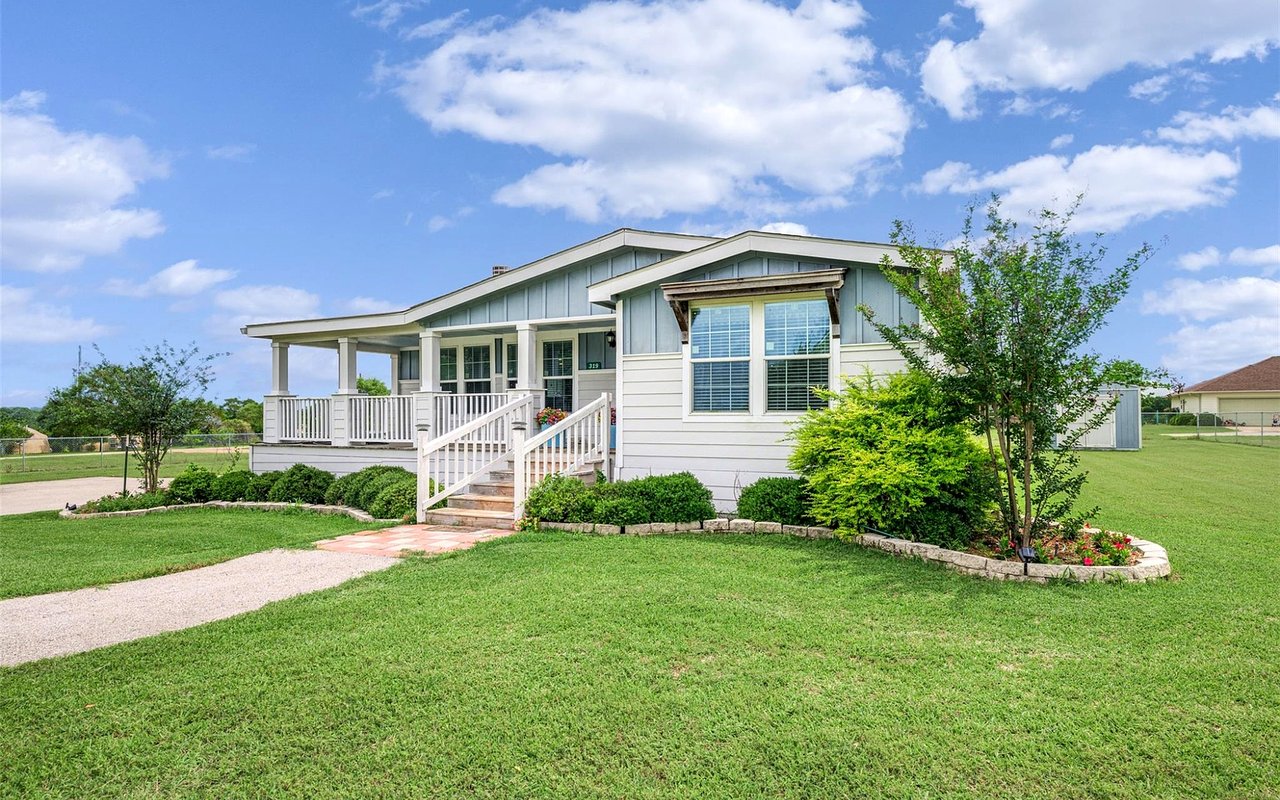
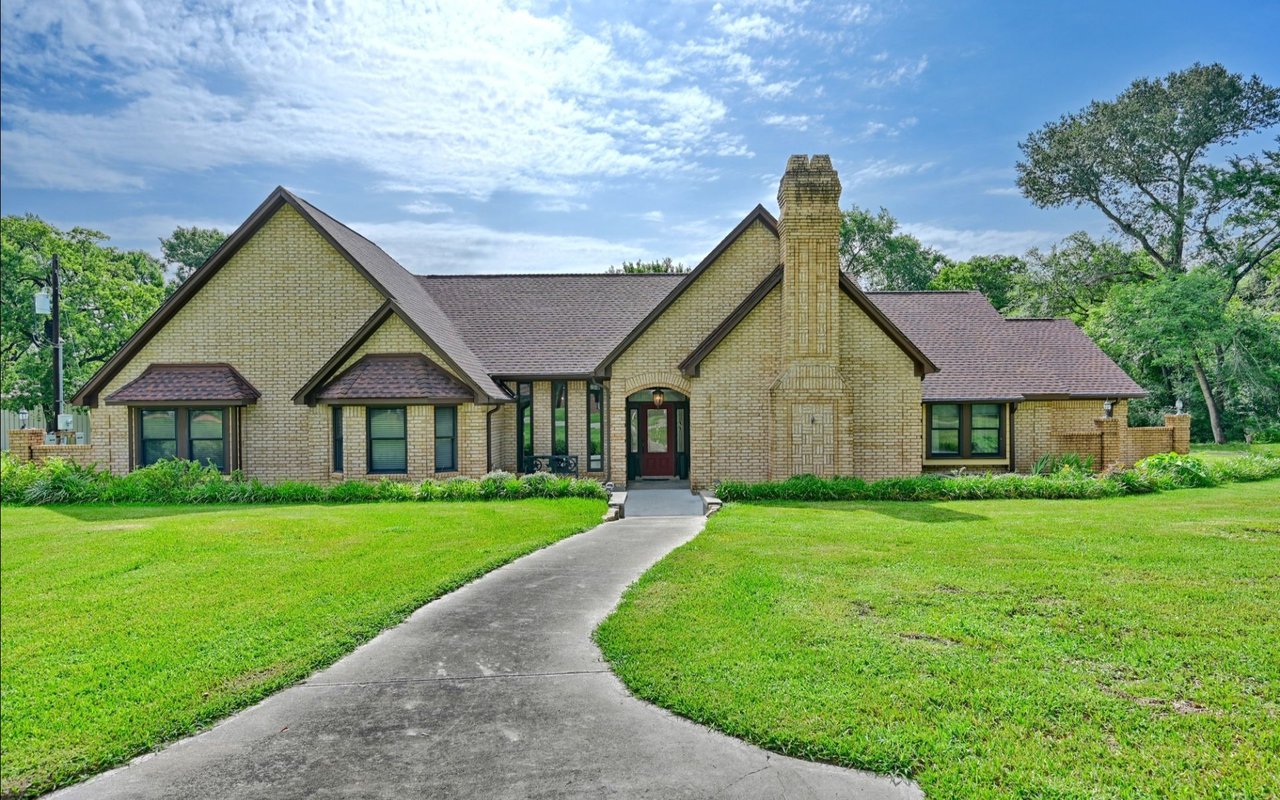
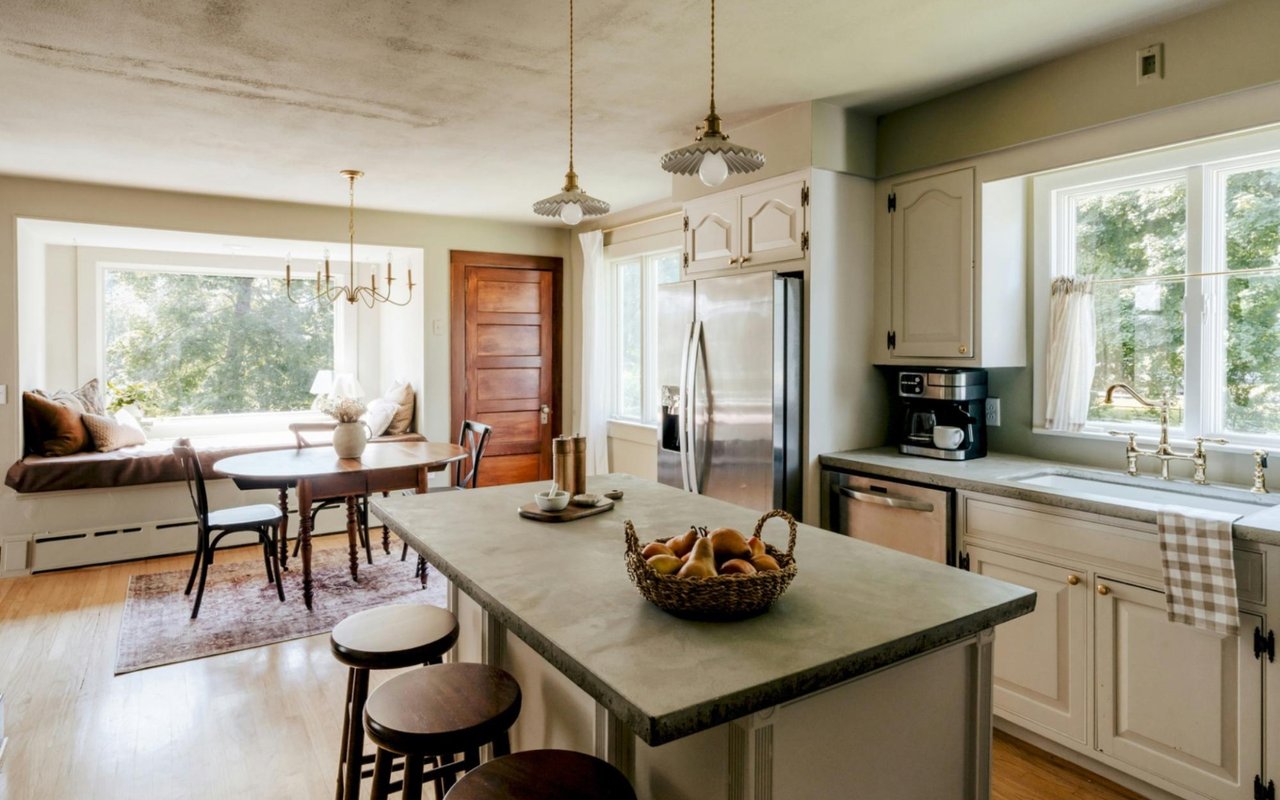
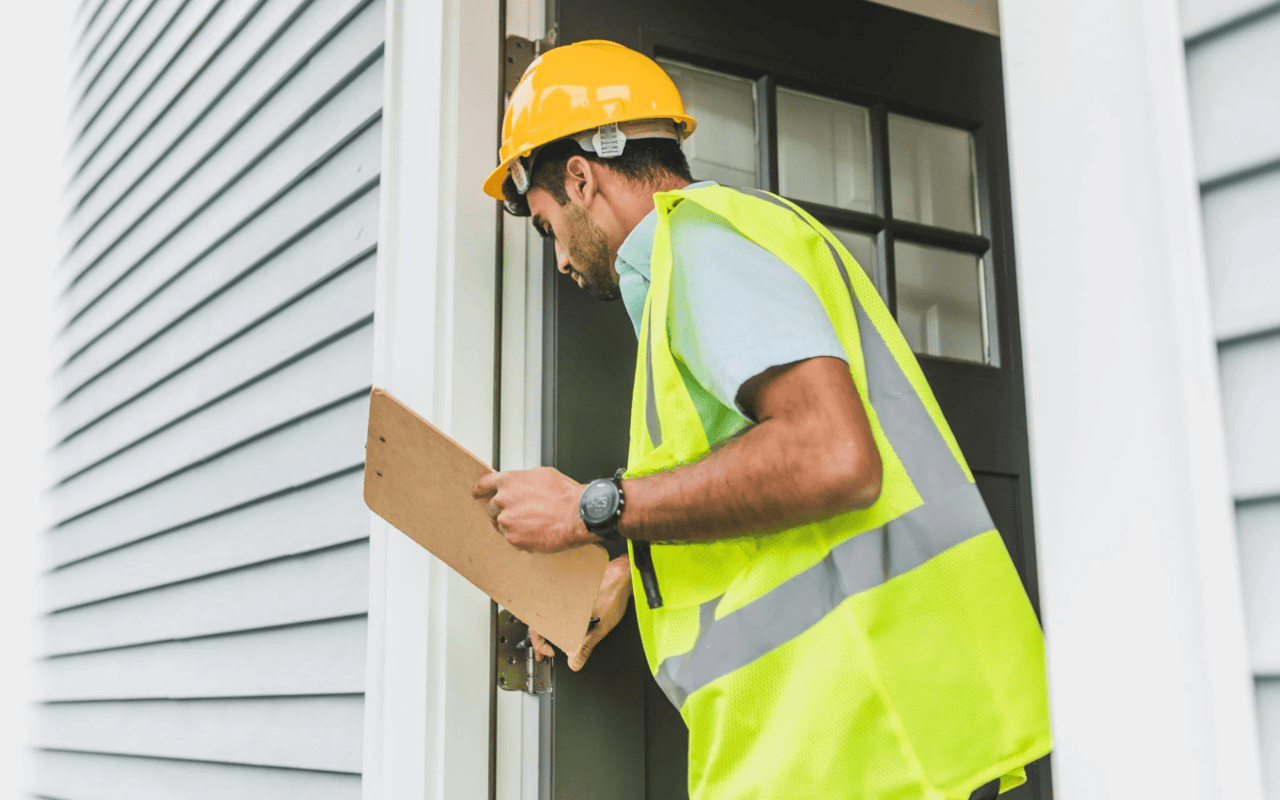
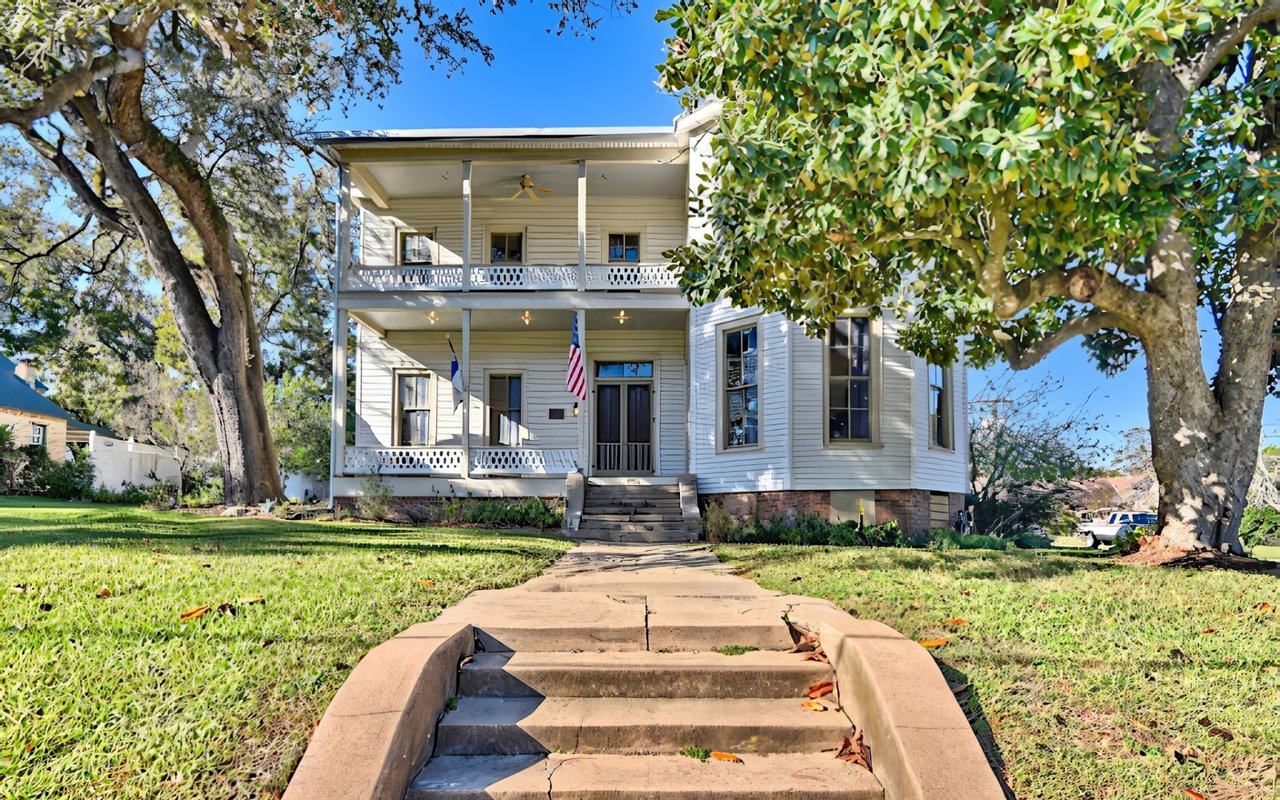
The appraiser will schedule a visit to the home and conduct a thorough walk-through. They’ll assess square footage, number of bedrooms and bathrooms, floor plan, and overall condition. In Brenham, where historic homes and rural properties are common, unique features like barns, acreage, or recent renovations may be factored in.
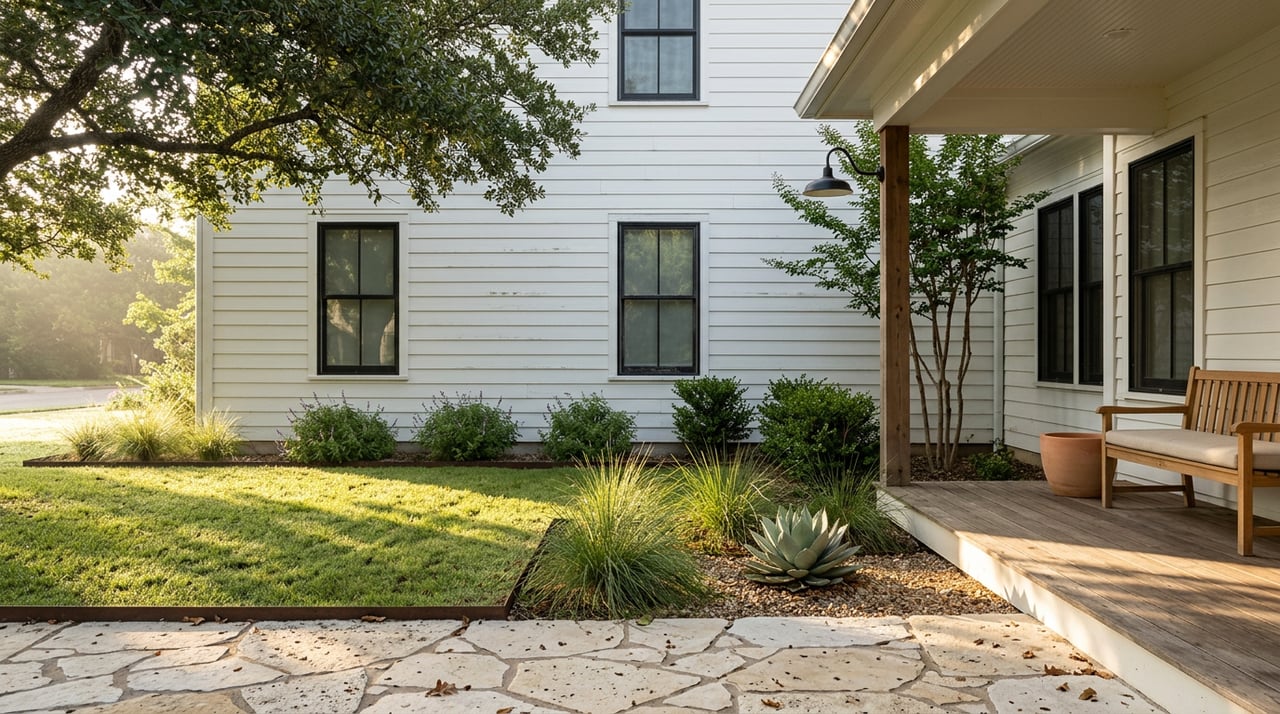
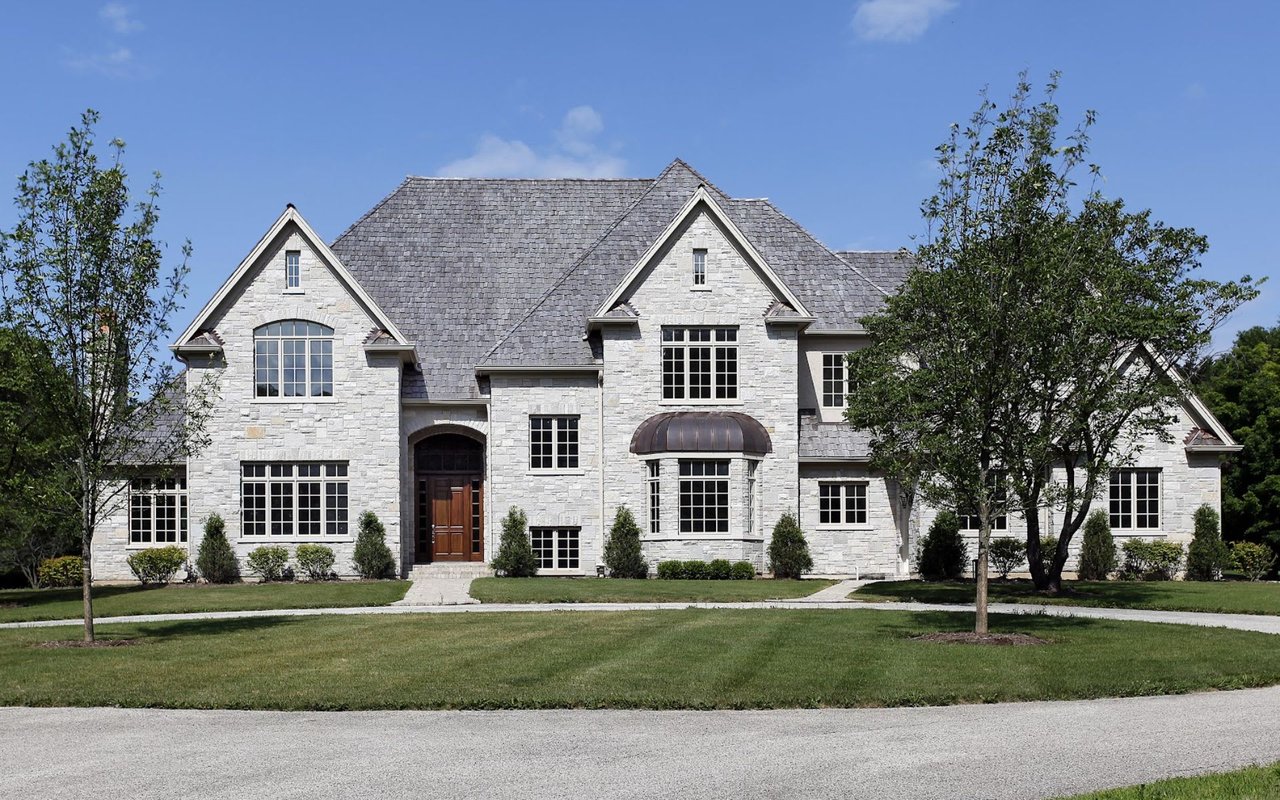
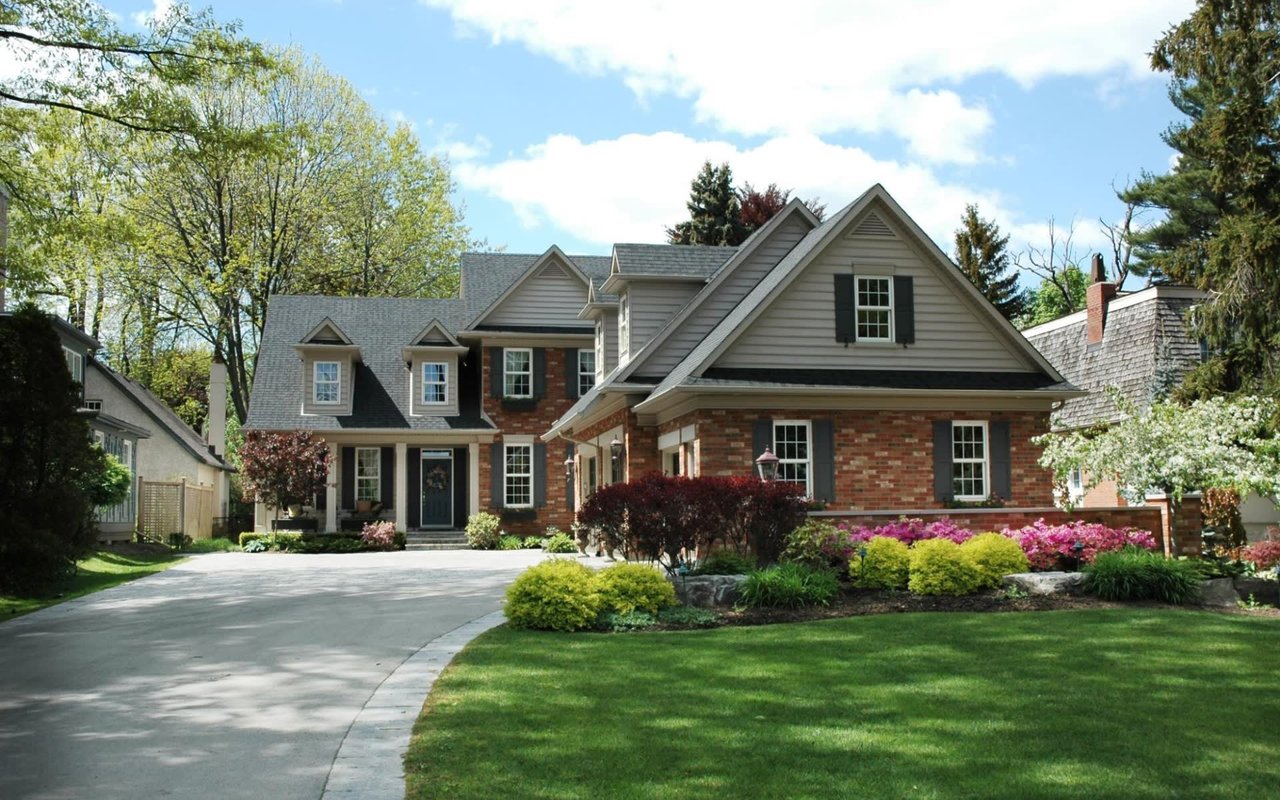
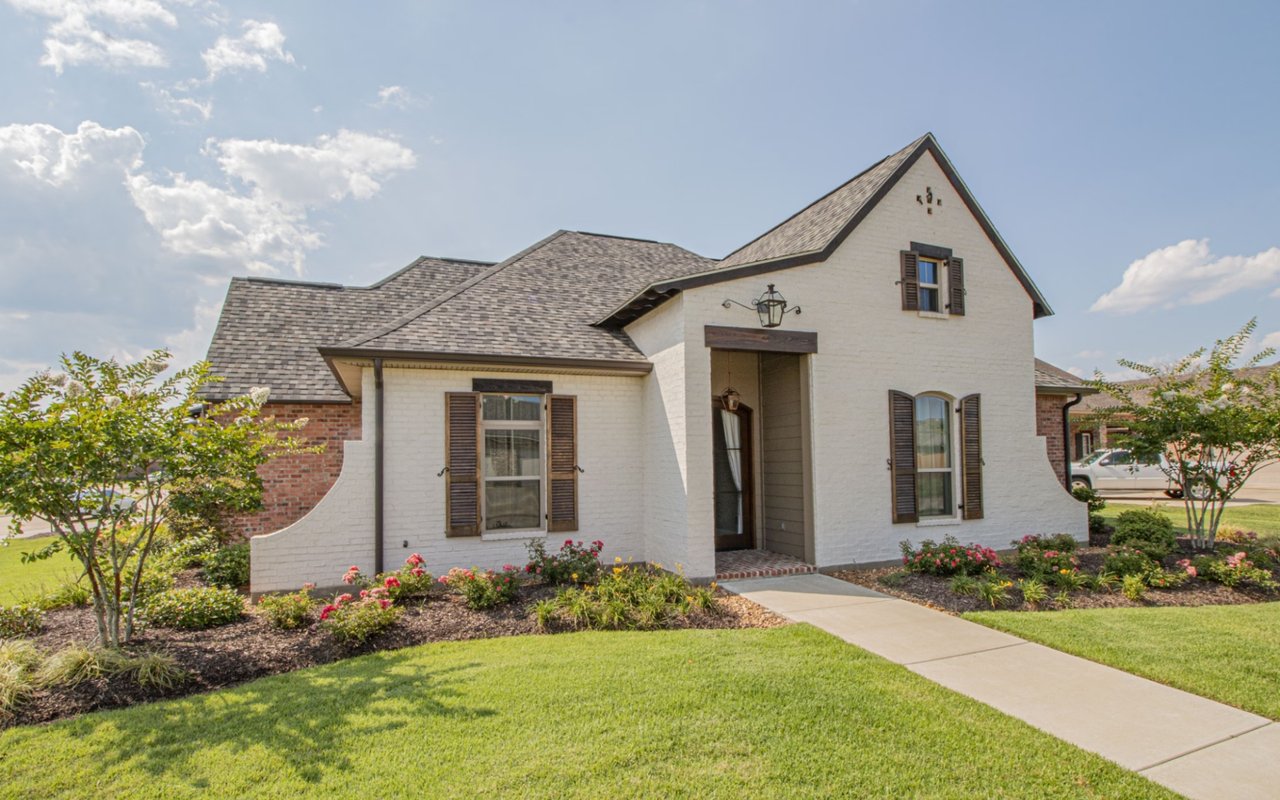
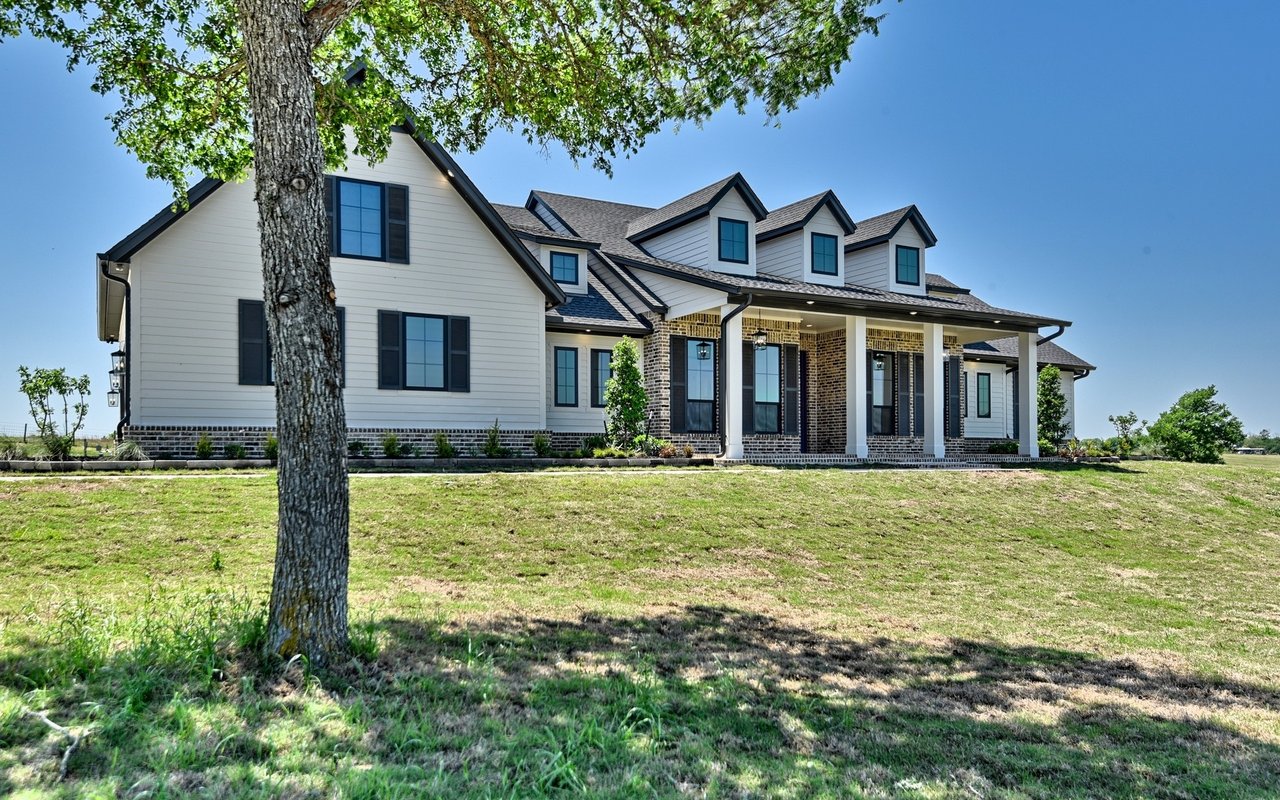
They’ll also review the exterior, including the roof, siding, foundation, landscaping, and curb appeal.
2. Comparable Market Analysis
Once the site visit is complete, the appraiser evaluates recent sales of similar properties nearby, often referred to as “comps.” In Brenham, comps may include a mix of vintage cottages, new builds, and larger ranch-style homes, which can sometimes make this analysis more nuanced.
The appraiser adjusts values up or down based on differences in size, condition, lot size, upgrades, and amenities (such as outbuildings, fencing, or energy-efficient features).
3. Final Report
After gathering all data, the appraiser compiles a detailed report. This document includes their estimate of the home’s value, supporting data, photos, a map, and explanations for any adjustments made. Lenders use this report to determine how much they’re willing to lend.
How Long Does It Take?
In most cases, the appraisal report is completed within 7 to 10 business days of the visit. However, in more rural areas of Brenham, it may take slightly longer if comparable sales are limited or the property is particularly unique.
What If the Appraisal Comes in Low?
This is one of the most common concerns during the home sale process. If the appraisal value is lower than the agreed purchase price, it can delay or derail the transaction.
Buyers and sellers in Brenham have several options:
- Renegotiate the Price: The seller may agree to lower the price to match the appraised value.
- Cover the Gap: The buyer may choose to pay the difference out of pocket.
- Request a Rebuttal or Reappraisal: If there's strong evidence that the appraisal missed key details, a second review can be requested.
- Cancel the Contract: If no agreement is reached, the buyer can often walk away, depending on contingencies.
Working with an experienced local team like The Lindi/Camaron Team can help navigate these negotiations strategically.
What If the Appraisal Comes in High?
If the home appraises for more than the agreed price, the buyer benefits; they’re essentially getting instant equity. While sellers may not be able to renegotiate in this case, it’s a reassuring signal that the home is a solid investment.
How Sellers Can Prepare for a Successful Appraisal
Sellers in Brenham can help set the stage for a strong appraisal outcome by:
- Making Minor Repairs: Fix leaky faucets, patch small holes, and ensure everything is in working order.
- Highlighting Upgrades: Leave a list of updates, including dates and costs (roof replacements, kitchen remodels, new HVAC systems, etc.).
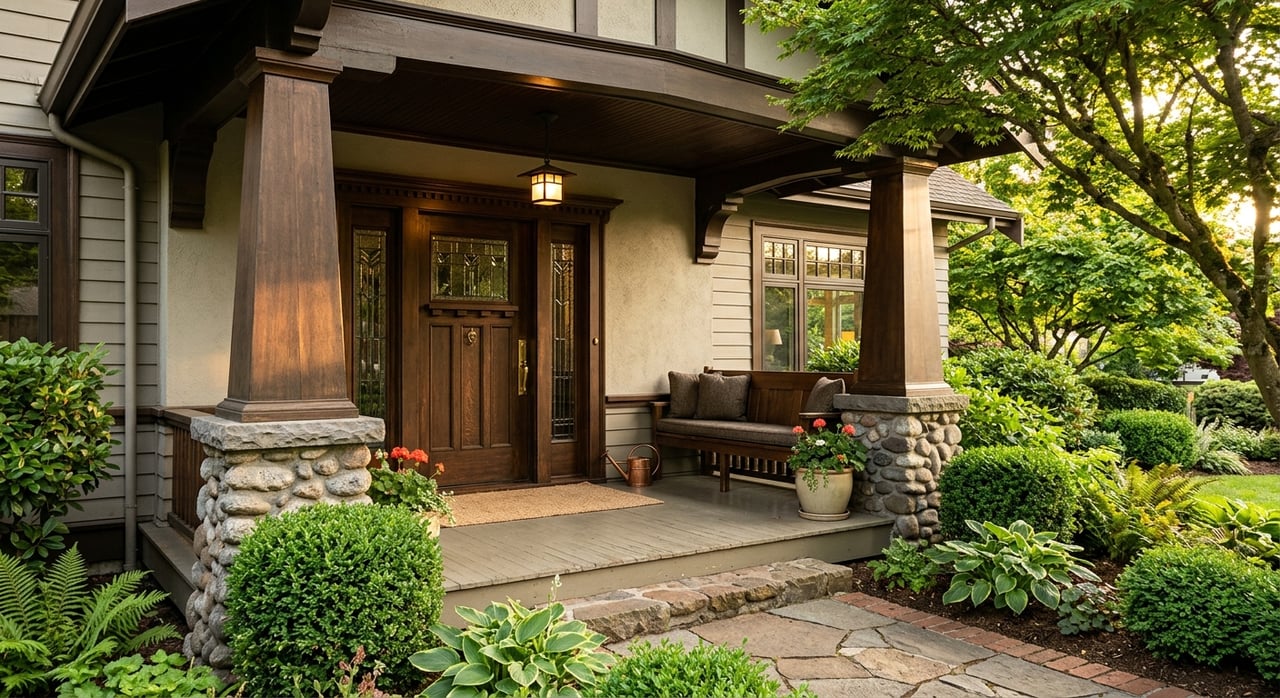
- Improving Curb Appeal: A clean yard and fresh exterior paint can make a big impression.
- Providing Access: Make sure the appraiser can easily access all areas, including attics, basements, or outbuildings.
Unique Considerations in Brenham
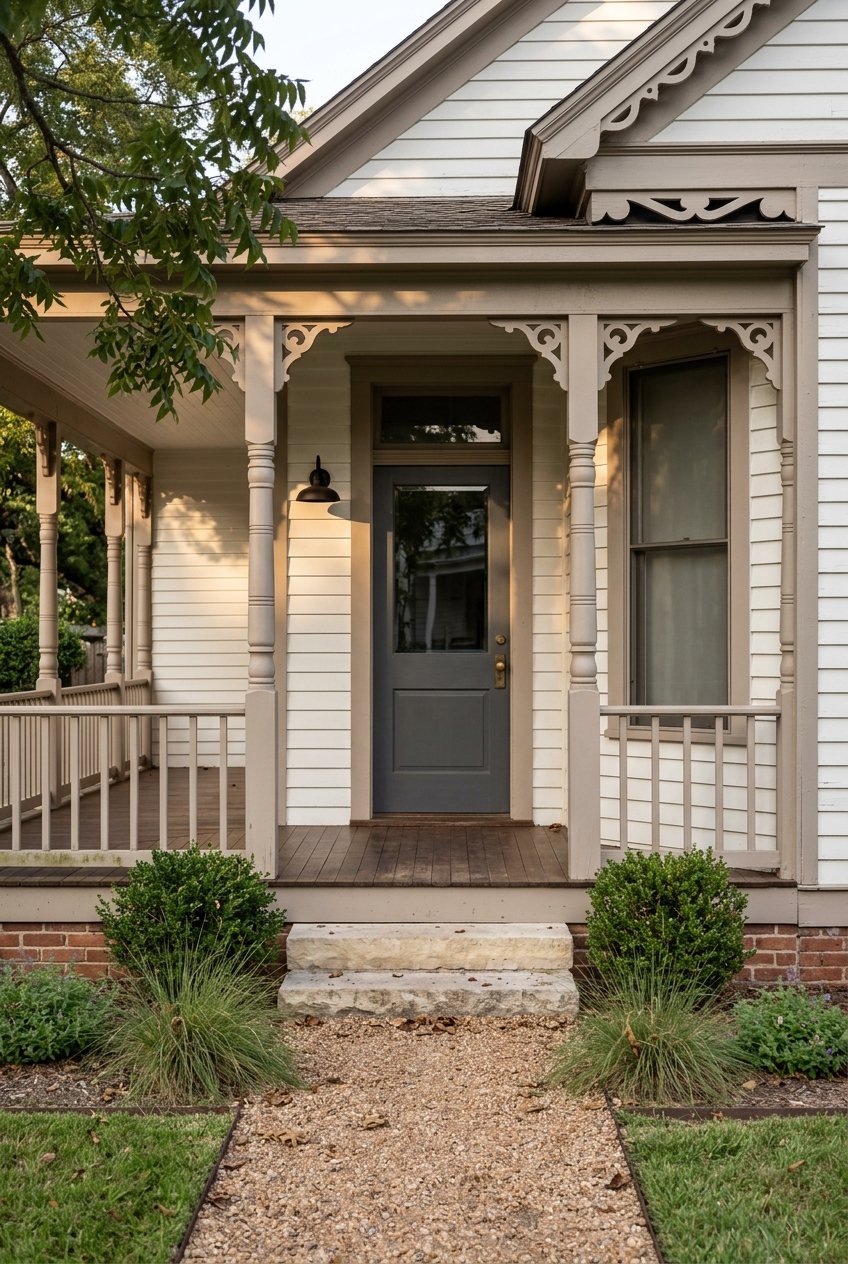
Brenham’s charm comes with a mix of property types, from established in-town homes to country acreage with guesthouses or barns. These features can make appraisals more complex, so it’s important to work with professionals who understand the local landscape.
Water wells, fencing, ag exemptions, and historic property considerations can all affect how value is assessed. Luckily, The Lindi/Camaron Team can help sellers present their property effectively and ensure buyers know what to expect from start to finish.
Ready to Navigate the Appraisal Process with Confidence?
Whether you're selling your family home or buying your first property, having a trusted local partner by your side makes all the difference. The Lindi/Camaron Team brings deep knowledge of Brenham’s real estate market and can guide you through every step, including the often misunderstood appraisal process. If you’re ready to learn more, connect with the team today to start your real estate journey with confidence.