By The Lindi/Camaron Team
For most buyers purchasing a home in Brenham or the surrounding Washington County area, the home inspection is one of the most important steps between signing the contract and reaching the closing table. Understanding what the inspection covers, what it does not cover, and what happens after the report is delivered helps buyers navigate this phase with confidence. At the Lindi/Camaron Team, we walk our clients through this process every day, and here is what every Brenham buyer should know.
Key Takeaways
- In Texas, all home inspectors are licensed and regulated by the Texas Real Estate Commission (TREC), which sets minimum standards for what must be inspected and reported
- A standard TREC inspection does not cover water wells, septic systems, or certain exterior plumbing; in the Brenham area where well and septic are common on rural and acreage properties, these require separate specialist inspections
- The inspection takes place during the option period and gives the buyer the right to negotiate repairs, request a price reduction, or exit the contract based on findings
- Attending the inspection in person is one of the most valuable things a buyer can do
What the Texas Home Inspection Covers
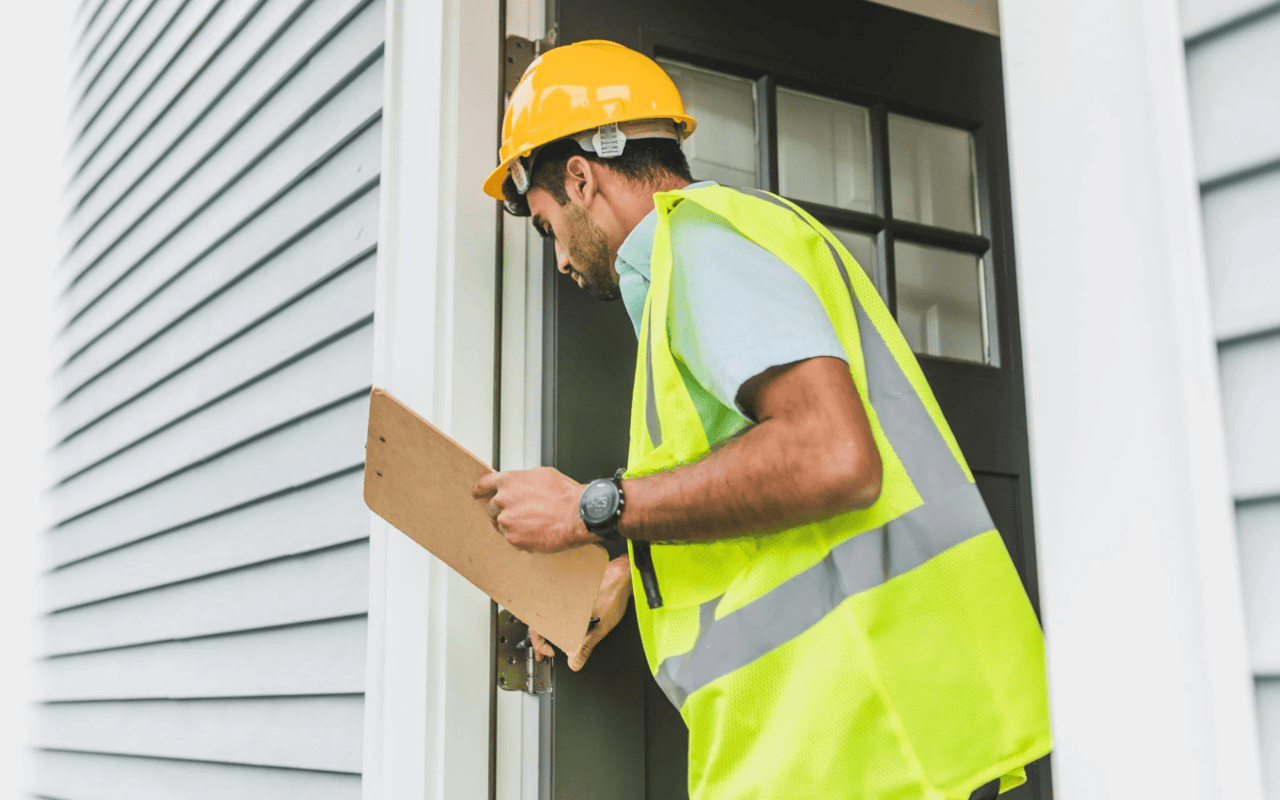
In Texas, home inspectors are licensed by TREC and required to follow the Standards of Practice, which define what must be inspected and reported. The assessment is visual, wherein the inspector works through what is accessible and observable without opening walls or performing tests that would alter the property.
Every finding is recorded in TREC's standardized report form, with items categorized as deficient, in need of repair, or presenting a safety concern.
Every finding is recorded in TREC's standardized report form, with items categorized as deficient, in need of repair, or presenting a safety concern.
What a Standard TREC Home Inspection Covers
- Foundation and structural components: Accessible areas are evaluated for evidence of movement, settlement, or structural compromise
- Roof system: Roofing materials, flashing, gutters, and visible penetrations are assessed from the exterior or roof surface
- Electrical system: The panel, wiring, and outlets are evaluated for safety and proper function
- HVAC system: Heating and cooling equipment is operated and assessed for condition, age, and function
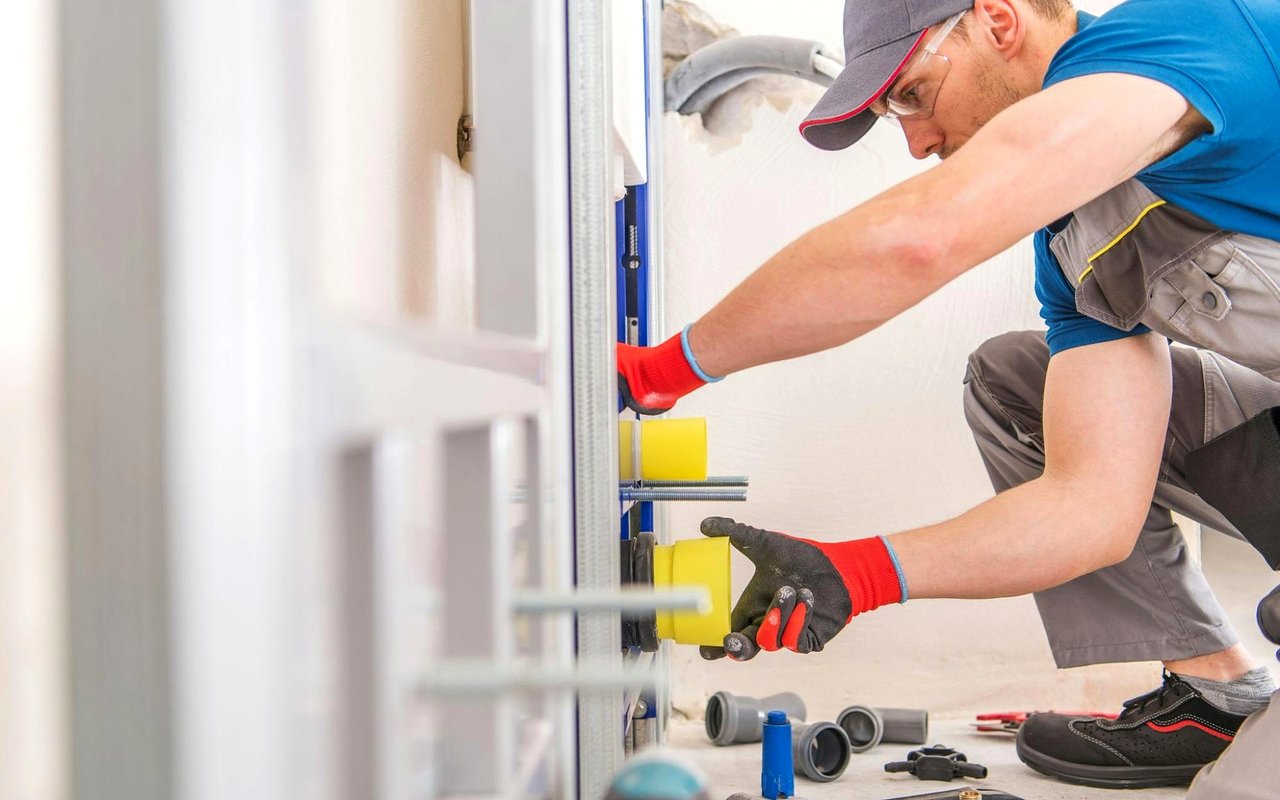
- Plumbing system: Visible supply and drain lines, fixtures, and water heater condition are assessed for materials, condition, and any visible leaks or concerns
What a Standard Inspection Does Not Cover
This is one of the most important distinctions for buyers in the Brenham area to understand. A standard TREC inspection does not cover water wells, private septic systems, sprinkler systems, or swimming pools. These are explicitly excluded from the TREC Standards of Practice and require separate inspections by qualified specialists.
In Washington County, a significant portion of properties are served by private water wells and septic systems rather than municipal water and sewer. For these properties, well and septic inspections are not optional additions. They are essential due diligence that addresses two systems that are both expensive to repair or replace and invisible to a standard inspector.
In Washington County, a significant portion of properties are served by private water wells and septic systems rather than municipal water and sewer. For these properties, well and septic inspections are not optional additions. They are essential due diligence that addresses two systems that are both expensive to repair or replace and invisible to a standard inspector.
What Requires a Separate Inspection in the Brenham Area
- Water well inspection and water quality testing: Evaluates the well pump, pressure tank, water quality, and system integrity
- Septic system inspection: A qualified inspector assesses the tank, drain field, and system components
- Termite and wood-destroying insect (WDI) inspection: Required by many lenders and strongly recommended regardless
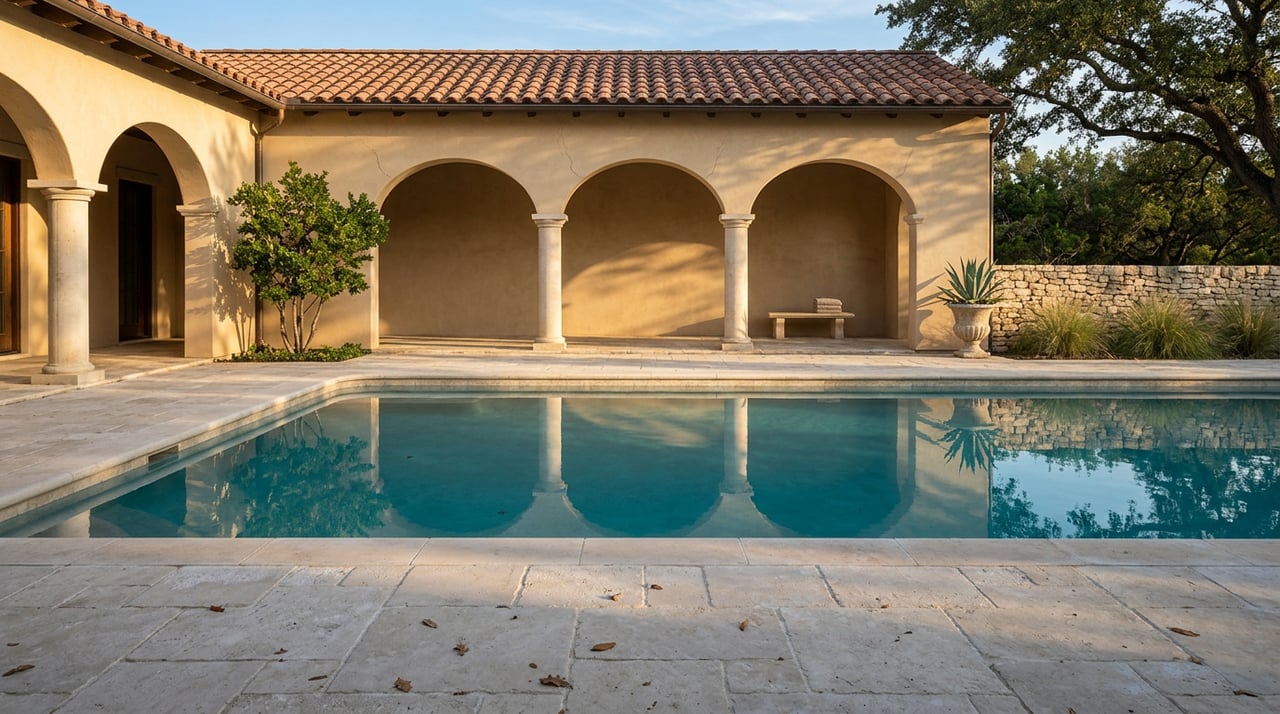
- Pool and spa inspection: Evaluates equipment condition, water systems, and safety
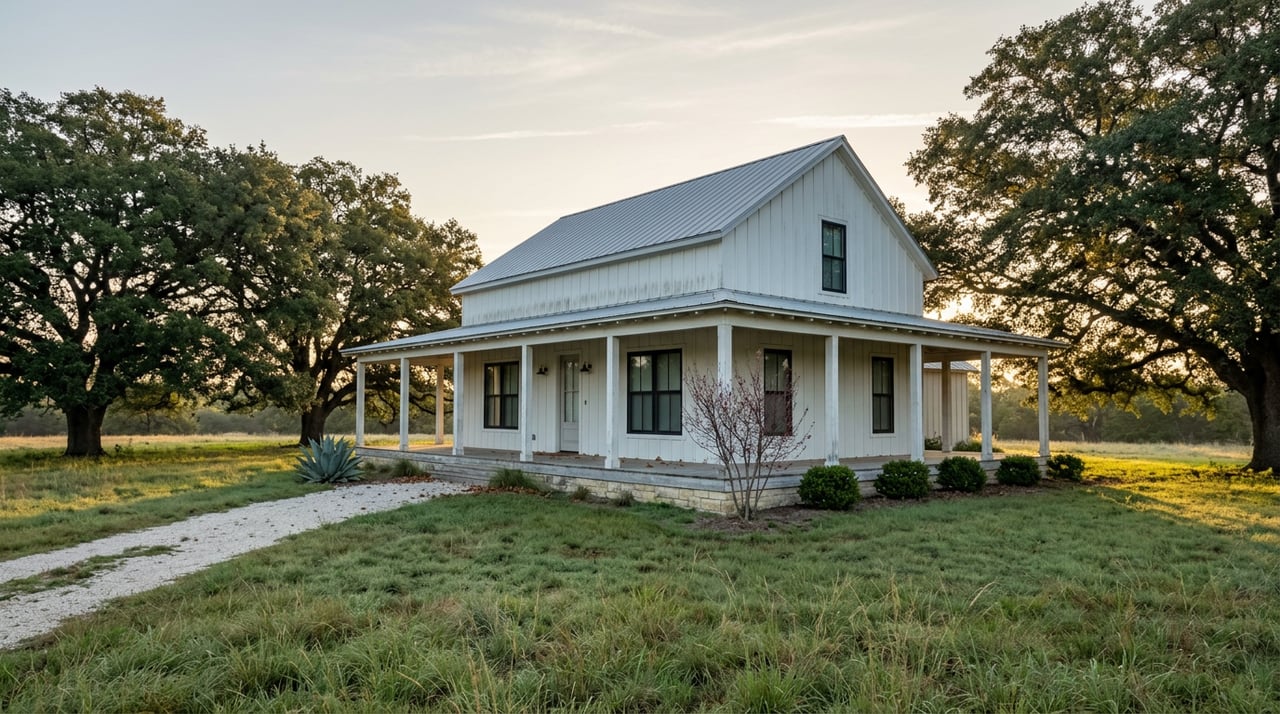
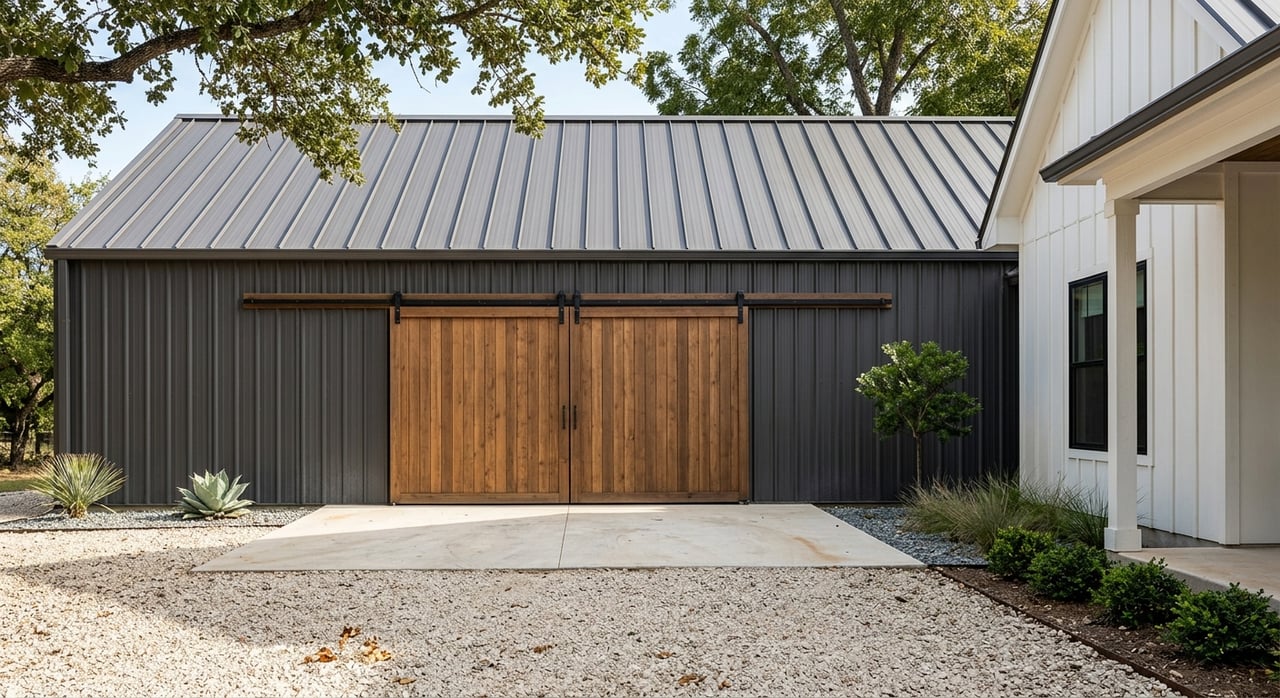
- Outbuildings, barns, and ag structures: Standard inspections address the primary residence, and as such, additional structures on farm and ranch properties typically require separate evaluation
How the Inspection Fits Into the Purchase Timeline
In Texas residential transactions, the inspection takes place during the option period, which is the negotiated window after the contract is executed during which the buyer has the unrestricted right to terminate and receive their option fee back.
The option period length is negotiated between buyer and seller, and the inspection should be scheduled as early in that window as possible to allow time for specialist follow-up inspections, report review, and negotiation with the seller before the period expires.
The option period length is negotiated between buyer and seller, and the inspection should be scheduled as early in that window as possible to allow time for specialist follow-up inspections, report review, and negotiation with the seller before the period expires.
How the Inspection Fits Into the Purchase Process
- The inspection is scheduled after the contract is executed and takes place during the option period
- The buyer hires and pays for the inspection directly
- The inspector delivers a written report, typically on the day of inspection or within 24 hours, documenting all findings with photographs
- After reviewing the report, the buyer can request repairs or a price reduction, remain in the contract as-is, or terminate and receive their earnest money back
How to Use the Inspection Report Effectively
The inspection report is a detailed document and it can be overwhelming to read, particularly for first-time buyers. The key is distinguishing between items that represent significant concerns — structural issues, major system failures, or safety hazards — and items that represent routine maintenance or cosmetic observations typical of any home. Not every item requires negotiation.
At the Lindi/Camaron Team, we review the inspection report with our clients, help them prioritize what matters most, and guide them through the negotiation with the seller. Our experience in the Brenham market gives us a clear sense of what sellers will and will not agree to repair and how to structure a repair request that is reasonable and likely to be accepted.
At the Lindi/Camaron Team, we review the inspection report with our clients, help them prioritize what matters most, and guide them through the negotiation with the seller. Our experience in the Brenham market gives us a clear sense of what sellers will and will not agree to repair and how to structure a repair request that is reasonable and likely to be accepted.
How to Prioritize Inspection Findings in Brenham
- Structural, safety, and major system findings: Foundation concerns, roof failures, electrical hazards, non-functional HVAC, or failed plumbing are the items that warrant serious attention and negotiation
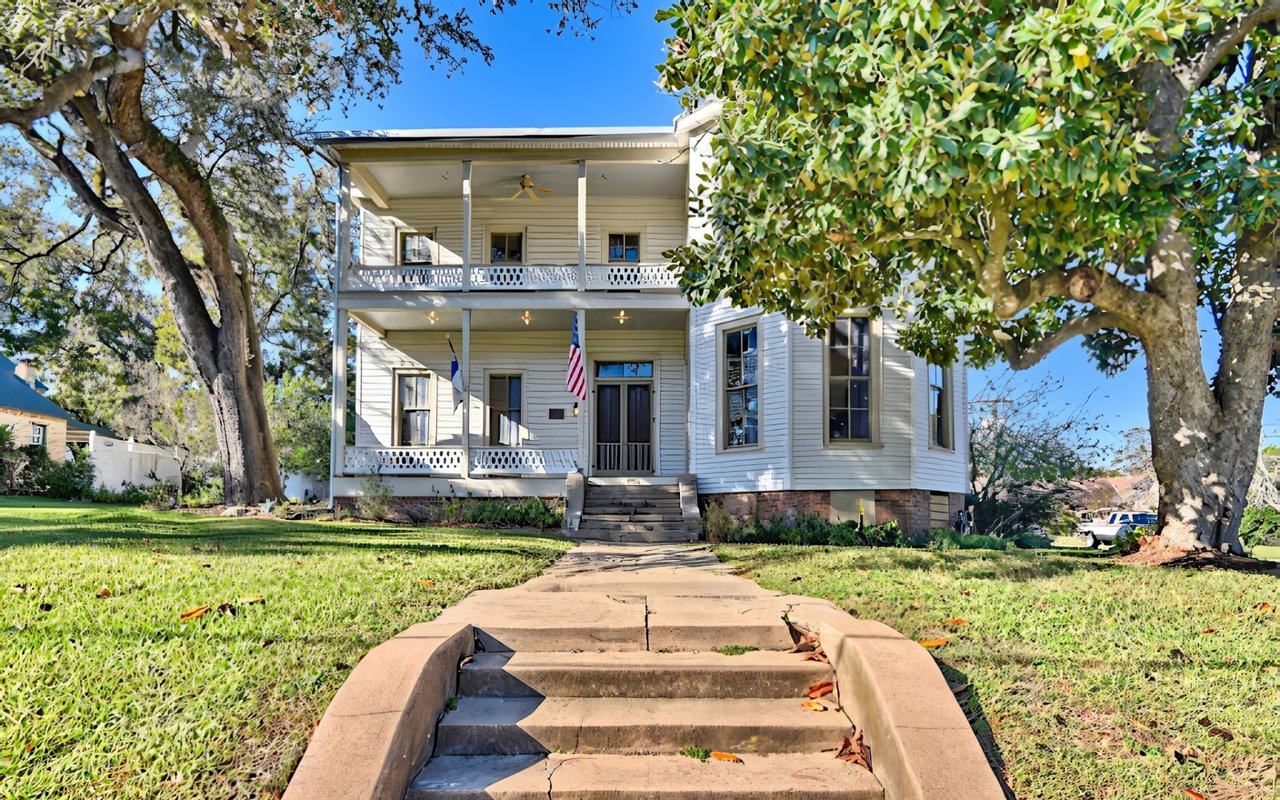
- Deferred maintenance items specific to the property type: On older Brenham homes, aging infrastructure and wear are expected
- Cosmetic and routine maintenance observations: These are documented by a thorough inspector but rarely the basis for a repair request in a negotiation
- Items flagged for specialist follow-up: When the inspector recommends evaluation by a licensed plumber, electrician, or structural engineer, those follow-up inspections should be completed before the option period expires
FAQs
Should I attend my home inspection in Brenham?
Yes, if possible. Attending allows you to hear the inspector explain findings in person, see issues firsthand, and ask questions in the moment. The written report is thorough, but the conversation with the inspector adds context that the document alone cannot fully convey.
How long does a home inspection take in the Brenham area?
A standard inspection of a typical single-family home takes approximately two to four hours depending on size, age, and condition. Larger homes, homes with acreage, or properties with multiple structures or additional systems will take longer.
Does a new construction home in Brenham need an inspection?
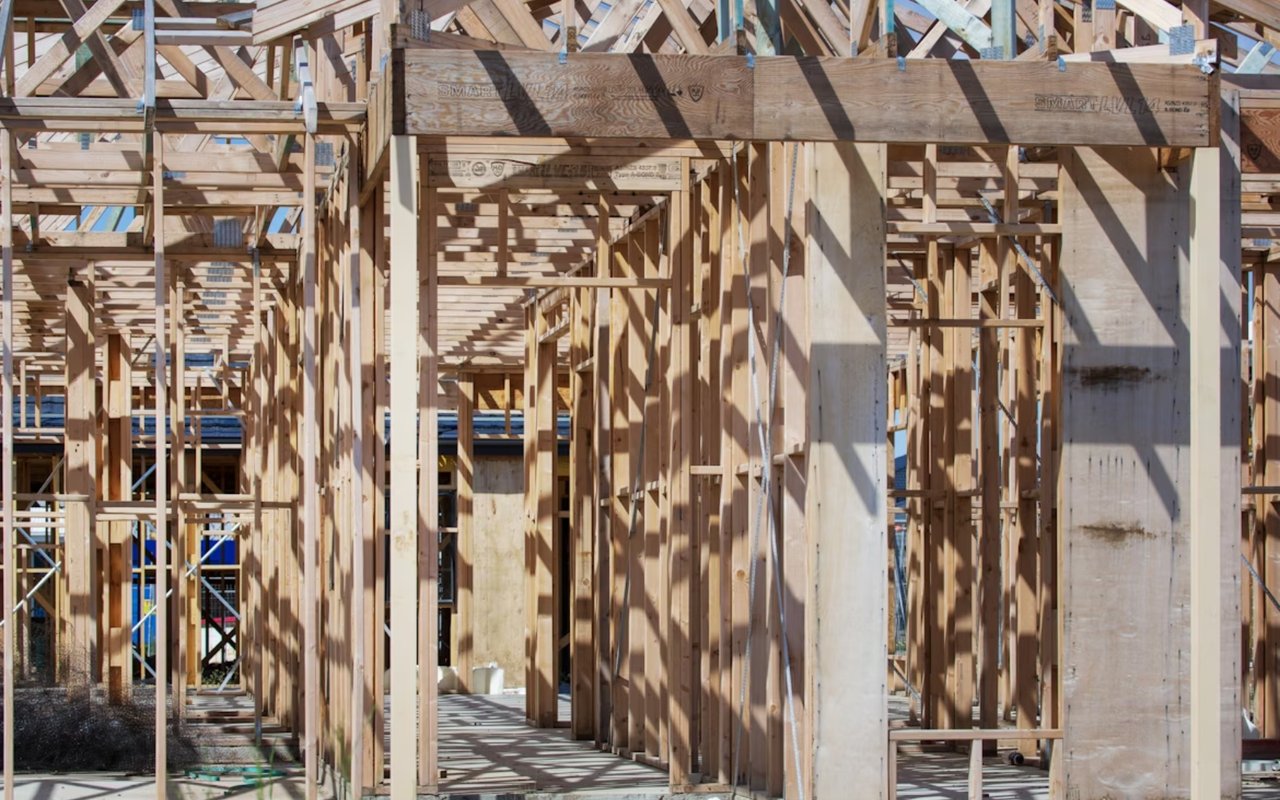
Yes. New construction homes should be inspected before closing. New buildings can have construction deficiencies that are not visible to the buyer, and the builder's warranty does not eliminate the value of an independent third-party assessment.
Contact the Lindi/Camaron Team Today
Guiding buyers through every step of the purchase process, including the inspection and what comes after, is something we take seriously. Whether you are purchasing your first home in Brenham or adding to your property portfolio, we are here to help.
Reach out through Lindi/Camaron Team to connect with our team and get started.
Reach out through Lindi/Camaron Team to connect with our team and get started.