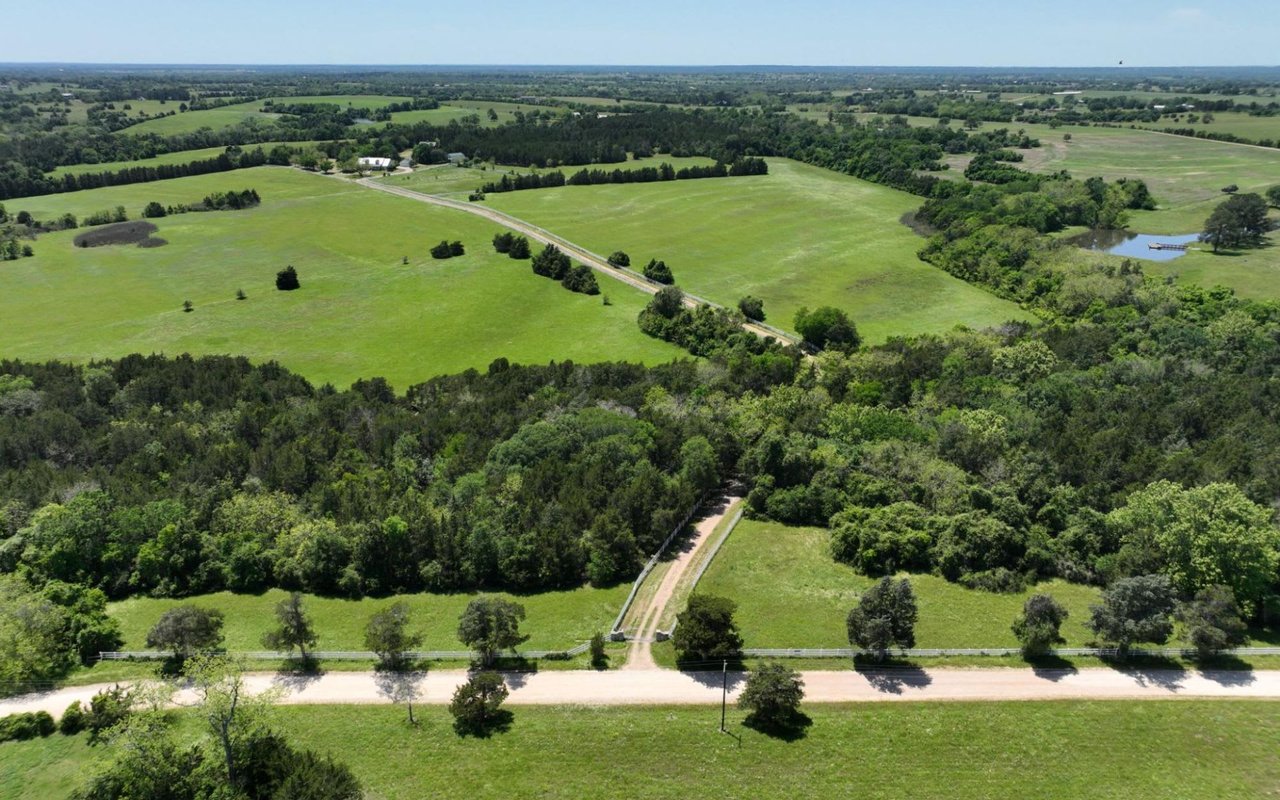
Buying acreage near Bellville can feel exciting and straightforward at first glance. A pretty stretch of land, a gate, and a quiet road can make it seem like all you need to do is close and start building. In reality, acreage purchases often come with questions about access, utilities, permits, floodplain, and taxes. If you want to buy with confidence, it helps to know what to check before you commit. Let’s dive in.
Start With Jurisdiction
One of the first things you should confirm is where the property actually falls from a regulatory standpoint. Near Bellville, a tract may be inside Bellville city limits, inside the city’s ETJ, or fully in unincorporated Austin County.
That matters because the approval process can change depending on location. Austin County states that tracts entirely within city limits should be handled with the city directly, while tracts in the ETJ may follow an interlocal platting process. If the tract is outside municipal boundaries, Austin County subdivision and development standards typically apply.
Inside Bellville, the city says it owns electrical, gas, water, wastewater, and sanitation services within city limits. That can create a very different setup from a rural tract outside town that may rely on a well and septic system.
Check Access and Road Responsibility
Acreage is only as useful as your legal and practical access to it. Before you buy, make sure you understand how you reach the property, who maintains the road, and whether any access improvements will require permits.
Austin County’s subdivision standards focus heavily on road layout, emergency access, and recorded plats. The county also states that roads in a proposed subdivision remain privately maintained until the Commissioners Court accepts them for county maintenance. That means you should not assume a road will automatically become county maintained just because it serves multiple tracts.
Driveway access can also be more involved than buyers expect. Austin County’s permit menu includes culvert work on county right-of-way, and if the frontage is on a state highway, TxDOT may also need to be involved. If you are planning a new homesite or a future second entrance, that is worth sorting out early.
Access Questions to Ask
- Is the tract inside Bellville city limits, in the ETJ, or outside municipal boundaries?
- Who maintains the road today?
- Is there any HOA or private road maintenance obligation?
- Does the driveway require a county culvert permit?
- If the property fronts a state highway, does TxDOT need to approve access?
- Is there a current survey showing easements, right-of-way, access, and floodplain?
Review the Survey and Boundaries Carefully
A current survey is one of the most useful documents in an acreage purchase. It helps you confirm boundaries, access points, easements, right-of-way, and whether any part of the tract falls in floodplain.
Austin County’s plat rules specifically call for items like easements, right-of-way, access, and floodplain on survey exhibits. For you as a buyer, this means the survey is more than a formality. It is a practical tool for understanding what you are really buying and what may affect your building plans.
If the seller has an older survey, it may still be worth checking whether it reflects current conditions. A newer survey can help avoid surprises after closing, especially if your long-term plan includes building, fencing, adding a drive, or dividing the tract later.
Understand Water, Septic, and Utility Setup
Utility questions can vary a lot from one Bellville-area tract to another. Some properties may have access to city utilities if they are inside Bellville, while more rural tracts often rely on a mix of well water and on-site septic.
For property outside the city, Austin County’s OSSF permit form reflects the typical rural setup. The application asks whether the property will use a private well or a public water supply and requires details about the site evaluator, designer, and installer. TCEQ also states that a permit and approved plan are required to construct, alter, repair, extend, or operate an on-site sewage facility, and local permitting authorities can be stricter than state minimums.
Austin County’s current septic application notes that aerobic treatment units are not required by the county, though they do carry maintenance obligations if installed. That is a good reminder that not every septic system is the same, and existing systems should be reviewed with your intended use in mind.
Utility Questions to Ask
- Is the property on city utilities, public water, a private well, or a mix of systems?
- If there is a septic system, is there a valid Austin County permit?
- Is there recent service or inspection history for the septic system?
- Can the site support the home size you want to build?
- If utilities are not in place, what will be required to add them?
Verify Well Registration and Well Work
If the property has a private well or you plan to drill one, do not treat it like an informal rural feature. In Austin County, private domestic and agricultural wells are regulated through the Bluebonnet Groundwater Conservation District.
The district says exempt private domestic and agricultural wells do not need an operating permit or monthly water-use fees, but they must be registered and authorized before drilling or other well work. TDLR separately regulates licensing for water-well drillers and pump installers.
In practical terms, you should ask for documentation. If a well already exists, see whether it is registered with Bluebonnet GCD and whether the seller can provide a well log or other system records. If improvements are planned, confirm that the professionals involved are properly licensed.
Look Closely at Agricultural Valuation
Acreage buyers are often drawn to land with agricultural valuation because of the lower property tax burden. Still, it is important to understand what that valuation actually means and what could cause it to change.
Austin CAD explains that agricultural and open-space valuation are productivity-based appraisals, not exemptions. To qualify, land must be principally devoted to qualifying agricultural use at the degree of intensity generally accepted in the area. The land does not qualify simply because it is open, raw, or lightly used for gardens, chickens, or recreation.
Austin CAD also notes that small tracts with residential or commercial structures are often treated as primarily residential or commercial rather than agricultural. If you are buying acreage for a homesite, a weekend place, or a mix of personal and agricultural use, that distinction matters.
Tax Questions to Ask
- Does the tract currently have 1-D or 1-D-1 valuation?
- What use supports that valuation today?
- If you build a home, shop, or other improvement, will that affect qualification?
- If the property is inside Bellville city limits, does the city-service test affect the analysis?
Know the Rollback Tax Risk
One of the biggest tax surprises for acreage buyers is rollback tax exposure. Austin CAD and the Texas Comptroller both note that if land receiving agricultural valuation changes to a non-agricultural use, rollback taxes can apply for the prior three years.
That does not mean every purchase will trigger rollback taxes. It does mean you should understand how your intended use compares with the property’s current use before you close. If your plan is to convert the tract from active qualifying agricultural use to a residential or recreational use, ask how that could affect your future tax bill.
This is especially important when buyers assume the current tax treatment will automatically continue after purchase. In acreage transactions, assumptions can get expensive.
Evaluate Floodplain and Drainage Early
A tract can look dry and usable during a showing and still present drainage or floodplain challenges later. Austin County’s development rules state that a comprehensive drainage plan may be required on a case-by-case basis regardless of project size.
The county also requires elevation certificates showing base flood elevations for lots in the 100-year floodplain in certain situations. For you, that means a tract may appear buildable but still require additional review before a house site, road, or future division can move forward.
This is why low areas, drainage paths, and floodplain mapping deserve careful attention during due diligence. A current survey and a clear conversation about the intended building area can help you better understand the property’s usable footprint.
Think Beyond Today’s Use
Many buyers want acreage for immediate enjoyment, but they also want options later. You may be thinking about building a second home, dividing the tract for family, or creating multiple homesites over time.
Austin County says some plat applications must include groundwater availability certification and consultation with Bluebonnet GCD for proposed groundwater use. The county also notes that plats and engineering plans may be needed before final approval. In other words, future subdivision potential may involve more time, cost, and review than the frontage alone would suggest.
The county also makes clear that roads remain privately maintained until accepted. So if your long-term plan includes dividing land, make sure you understand both the platting path and the likely road obligations that come with it.
A Smart Bellville Acreage Checklist
Before you move forward on acreage near Bellville, use this checklist to stay focused on the details that matter most:
- Confirm whether the tract is in Bellville city limits, the ETJ, or unincorporated Austin County.
- Ask for a current survey showing boundaries, access, easements, right-of-way, and floodplain.
- Verify who maintains the road and whether any culvert or driveway permit is needed.
- If the property fronts a state highway, ask whether TxDOT approval is part of the access process.
- Identify the water source and verify well registration if a private well serves the property.
- Confirm septic permit history, system type, and whether the site supports your intended home size.
- Determine whether the land currently receives agricultural valuation and what could change that status.
- Ask about rollback tax exposure if your planned use differs from the current use.
- If future subdivision is part of your plan, ask about platting, drainage, floodplain review, and groundwater certification requirements.
Buying land is different from buying a house in town. The details behind access, utilities, drainage, and taxes can shape both your budget and your long-term plans. When you understand those moving parts up front, you are in a much stronger position to buy the right property with fewer surprises.
If you are exploring acreage near Bellville and want practical, local guidance, The Lindi Camaron Team can help you look beyond the listing photos and evaluate the details that matter.
FAQs
What should you verify before buying acreage near Bellville?
- You should confirm jurisdiction, road access, survey details, water source, septic permit history, floodplain concerns, and whether the property has agricultural valuation.
How do Bellville city limits and ETJ affect acreage purchases?
- The property’s location can change which permitting, utility, platting, and development rules apply, so you should verify whether the tract is inside city limits, in the ETJ, or in unincorporated Austin County.
What utility issues matter for rural acreage near Bellville?
- You should identify whether the property uses city utilities, public water, a private well, septic, or a mix of systems, and confirm the documentation for any existing well or septic setup.
Why does road maintenance matter when buying land in Austin County?
- Road maintenance affects long-term cost and access because some roads remain privately maintained until they are formally accepted for county maintenance.
Can buying acreage near Bellville affect agricultural valuation?
- Yes, if the land’s use changes from qualifying agricultural use to a non-agricultural use, the property may lose that valuation and rollback taxes may apply for the prior three years.
Why should you ask about floodplain before buying Bellville-area acreage?
- Floodplain and drainage issues can affect where you build, what reviews may be required, and whether additional engineering or elevation documentation will be needed.