For families with young children, safety is always a top priority. A home should be a sanctuary where children can explore, learn, and grow without unnecessary risks. Whether preparing for a new baby or accommodating toddlers and school-age kids, taking proactive steps to ensure a child-safe home is essential. By identifying potential hazards and making intentional adjustments, parents and caregivers can create a space that offers both comfort and peace of mind.
Secure Furniture and Heavy Objects
One of the most important first steps in creating a child-safe home is anchoring large furniture to prevent tipping. Curious toddlers may climb on bookshelves, dressers, and entertainment centers, which can pose a serious risk if the furniture is not secured to the wall.
Use anti-tip straps or brackets for tall furniture, and avoid placing tempting items like toys or remotes on top that might encourage climbing. Flat-screen televisions should also be mounted securely or anchored to a stable stand to prevent tipping accidents.
In addition, ensure heavy décor — such as mirrors or artwork — is firmly attached to walls and out of reach from small hands.
Use anti-tip straps or brackets for tall furniture, and avoid placing tempting items like toys or remotes on top that might encourage climbing. Flat-screen televisions should also be mounted securely or anchored to a stable stand to prevent tipping accidents.
In addition, ensure heavy décor — such as mirrors or artwork — is firmly attached to walls and out of reach from small hands.
Install Safety Gates and Barriers
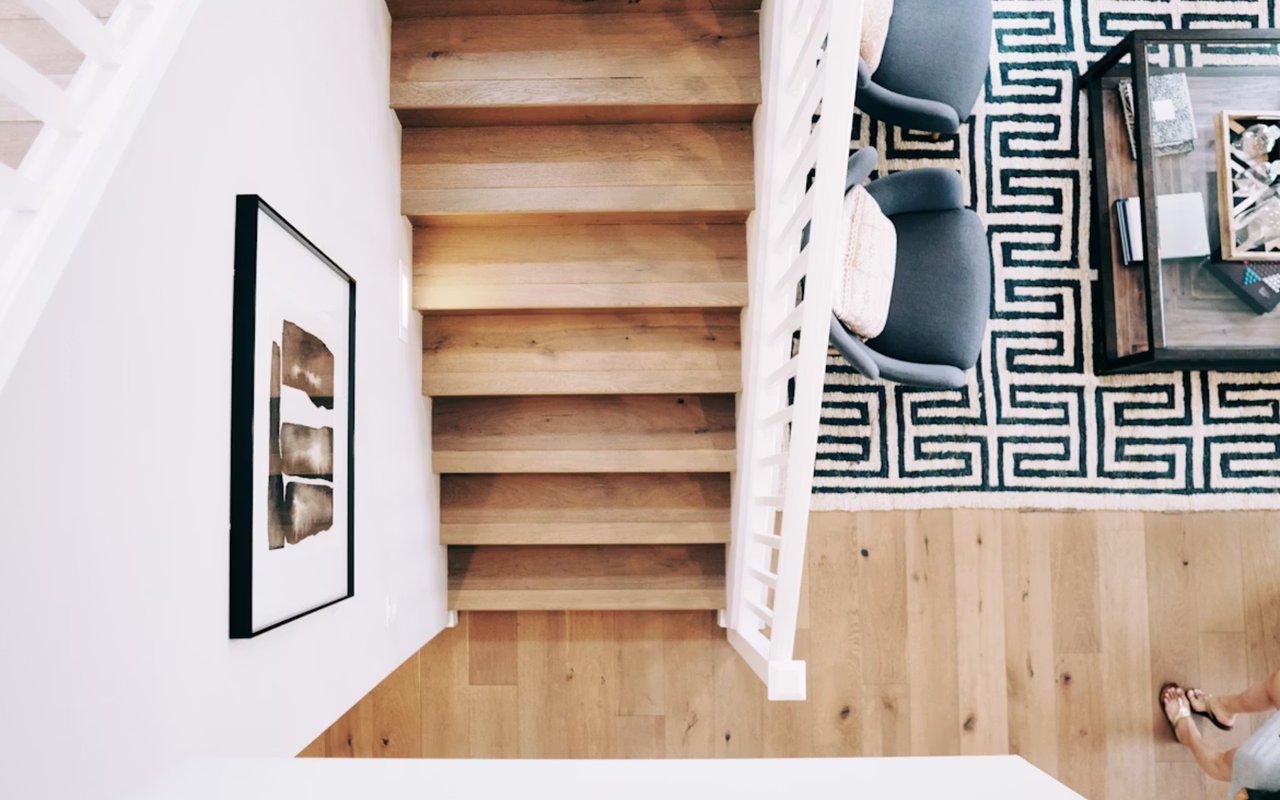
Safety gates are essential for blocking access to hazardous areas such as staircases, kitchens, and certain rooms with fragile or unsafe items. Pressure-mounted gates are useful for temporary barriers, while hardware-mounted gates are more secure for the tops and bottoms of stairs.
It’s important to choose gates that meet safety standards and to install them properly according to manufacturer instructions. For multi-level homes, securing staircases can prevent falls, while restricting access to areas with cleaning supplies, sharp tools, or breakables helps minimize everyday dangers.
Door knob covers and cabinet locks can also help limit access to areas that may not be suitable for unsupervised children.
It’s important to choose gates that meet safety standards and to install them properly according to manufacturer instructions. For multi-level homes, securing staircases can prevent falls, while restricting access to areas with cleaning supplies, sharp tools, or breakables helps minimize everyday dangers.
Door knob covers and cabinet locks can also help limit access to areas that may not be suitable for unsupervised children.
Childproof Electrical Outlets and Cords
Electrical outlets are often at eye level for toddlers and can present a serious hazard if left uncovered. Installing outlet covers or sliding plate covers is a simple and inexpensive way to block access. For outlets that are in constant use, use safety plugs that shield the prongs and prevent tampering.
Power cords should be tucked away or secured with cord shorteners or covers to prevent tripping or pulling. Additionally, avoid placing cords under rugs or furniture where they can overheat or become damaged.
When setting up a child-safe home, it's crucial to regularly inspect cords and outlets for wear and tear, especially in older homes where wiring may need updating.
Power cords should be tucked away or secured with cord shorteners or covers to prevent tripping or pulling. Additionally, avoid placing cords under rugs or furniture where they can overheat or become damaged.
When setting up a child-safe home, it's crucial to regularly inspect cords and outlets for wear and tear, especially in older homes where wiring may need updating.
Create a Safe Sleep Environment
In homes with infants and young children, the nursery should be a carefully designed space prioritizing sleep safety. Use a crib that meets current safety standards with a firm mattress and fitted sheet. Avoid soft bedding, stuffed animals, and crib bumpers, which can increase the risk of suffocation.
The American Academy of Pediatrics recommends that babies sleep on their backs in their own sleep space without additional bedding. For toddlers transitioning out of cribs, guardrails can prevent falls from toddler or twin beds.
Nightlights and baby monitors can offer added comfort and visibility for both children and parents during the night.
The American Academy of Pediatrics recommends that babies sleep on their backs in their own sleep space without additional bedding. For toddlers transitioning out of cribs, guardrails can prevent falls from toddler or twin beds.
Nightlights and baby monitors can offer added comfort and visibility for both children and parents during the night.
Kitchen and Bathroom Safety
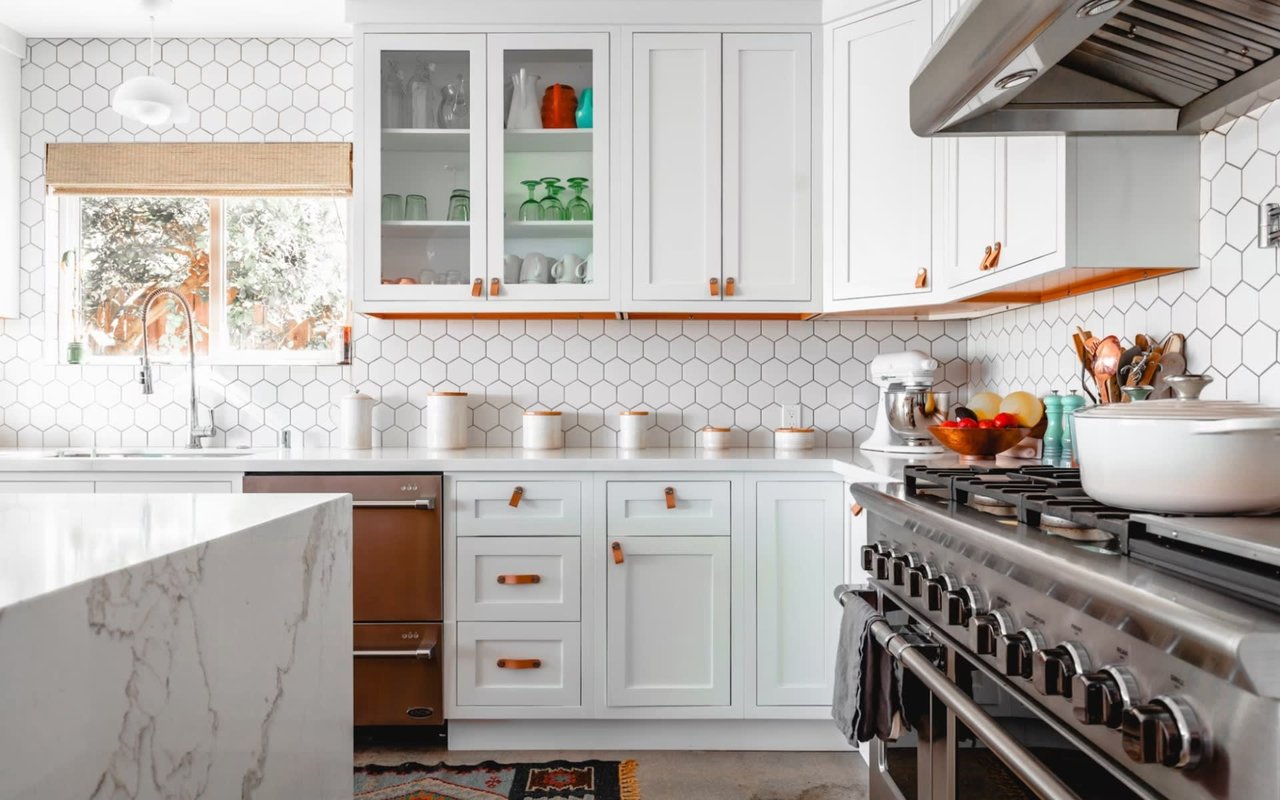
Both kitchens and bathrooms are high-risk areas in any home, containing hot surfaces, sharp objects, and potentially toxic substances. To maintain a child-safe home, start by placing safety latches on drawers and cabinets that contain knives, scissors, cleaning supplies, or medications.
Use stove knob covers and turn pot handles inward while cooking to prevent burns or spills. In bathrooms, install toilet locks and store medications in locked cabinets. Non-slip mats in tubs and on tile floors reduce the risk of slipping.
Water temperature should be regulated to prevent accidental scalding — setting the water heater to a maximum of 120 degrees Fahrenheit is a good precaution.
Supervision remains critical in these areas, but proper safeguards help minimize risks when adults are momentarily distracted.
Use stove knob covers and turn pot handles inward while cooking to prevent burns or spills. In bathrooms, install toilet locks and store medications in locked cabinets. Non-slip mats in tubs and on tile floors reduce the risk of slipping.
Water temperature should be regulated to prevent accidental scalding — setting the water heater to a maximum of 120 degrees Fahrenheit is a good precaution.
Supervision remains critical in these areas, but proper safeguards help minimize risks when adults are momentarily distracted.
Fire and Carbon Monoxide Safety
Functional smoke detectors and carbon monoxide alarms are essential in every home. These devices should be installed in hallways, bedrooms, and near kitchens, and tested monthly to ensure they are operational. Batteries should be replaced regularly according to the manufacturer's recommendations.
Fire extinguishers should be kept in key areas like the kitchen and garage, and adults in the home should know how to use them properly. For added peace of mind, consider creating and practicing a fire escape plan with children once they’re old enough to understand.
Outlet protectors, fire-resistant materials, and safe storage of flammable items all contribute to a safer home environment for families.
Fire extinguishers should be kept in key areas like the kitchen and garage, and adults in the home should know how to use them properly. For added peace of mind, consider creating and practicing a fire escape plan with children once they’re old enough to understand.
Outlet protectors, fire-resistant materials, and safe storage of flammable items all contribute to a safer home environment for families.
Maintain Clear Sightlines and Supervision
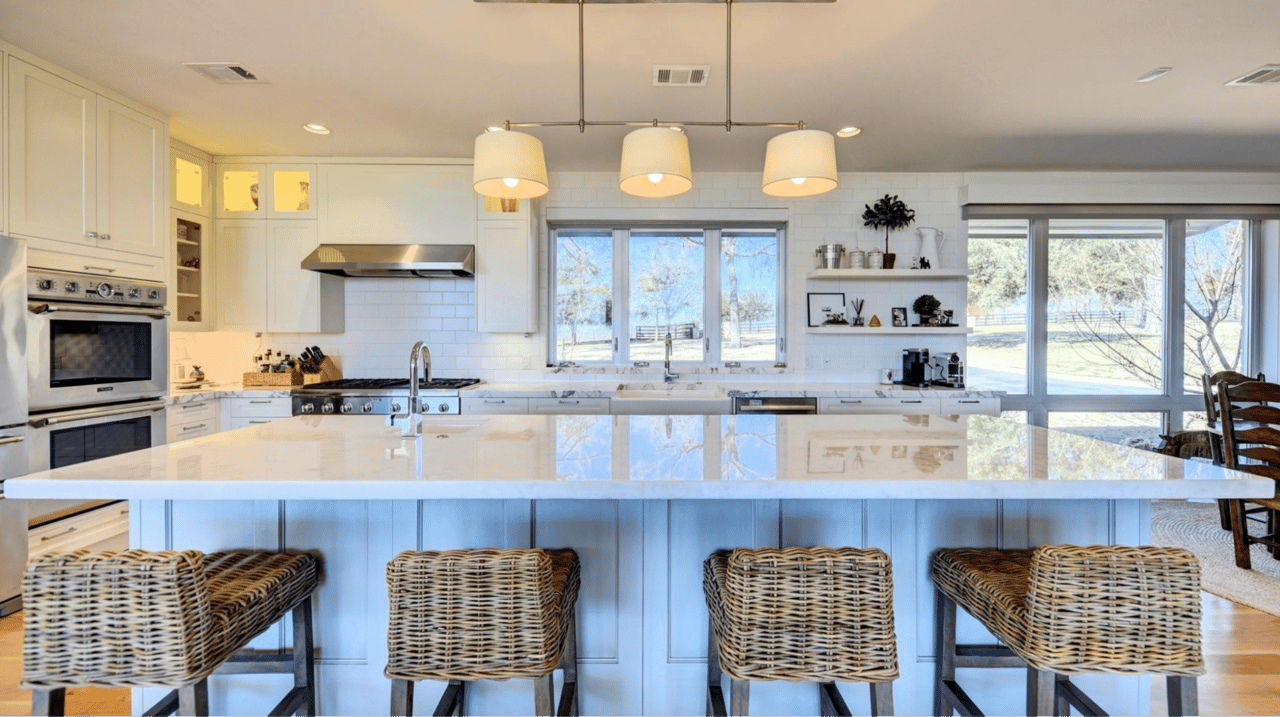
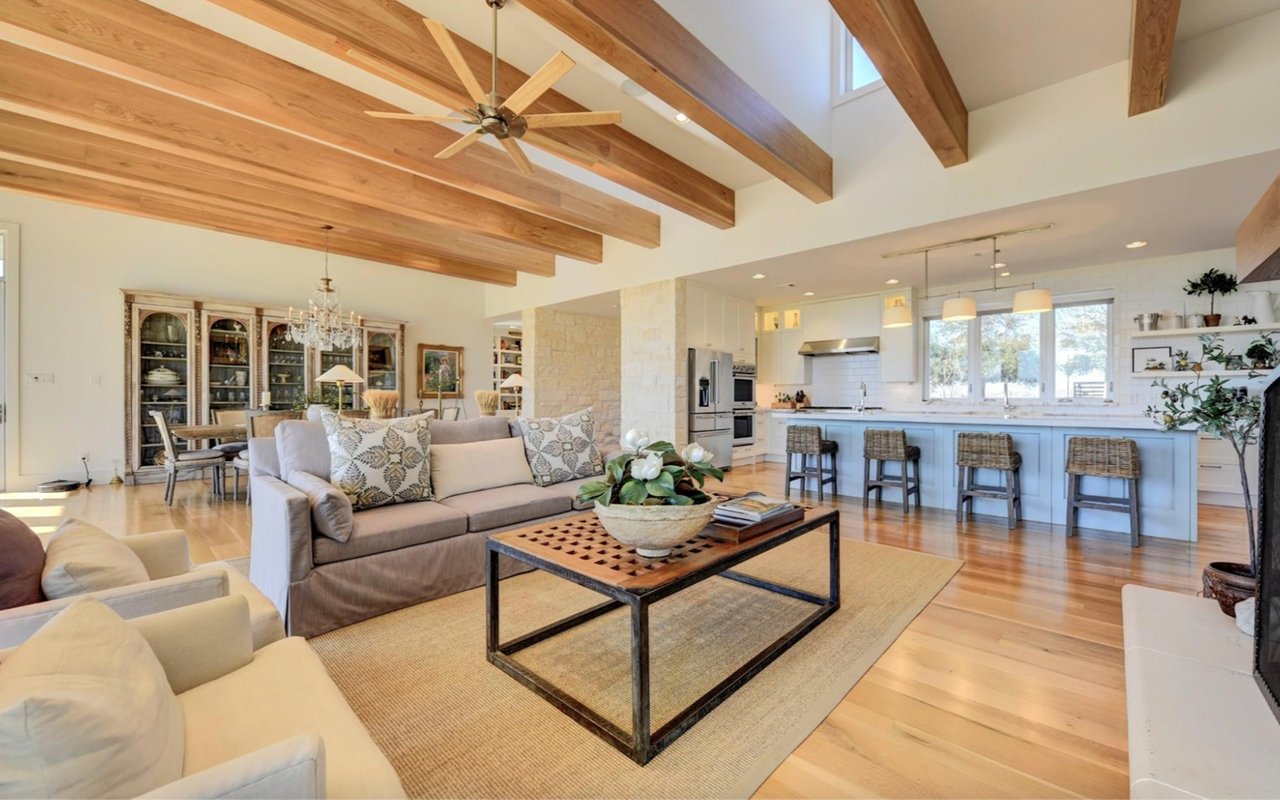
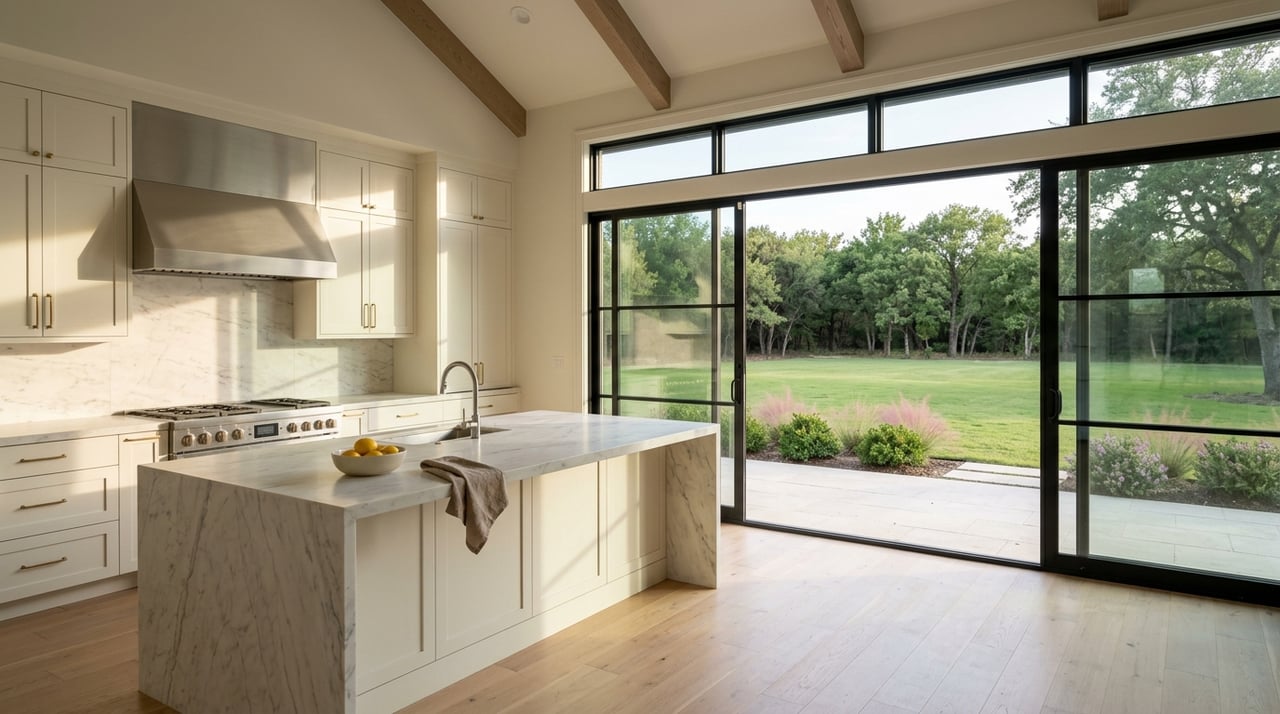
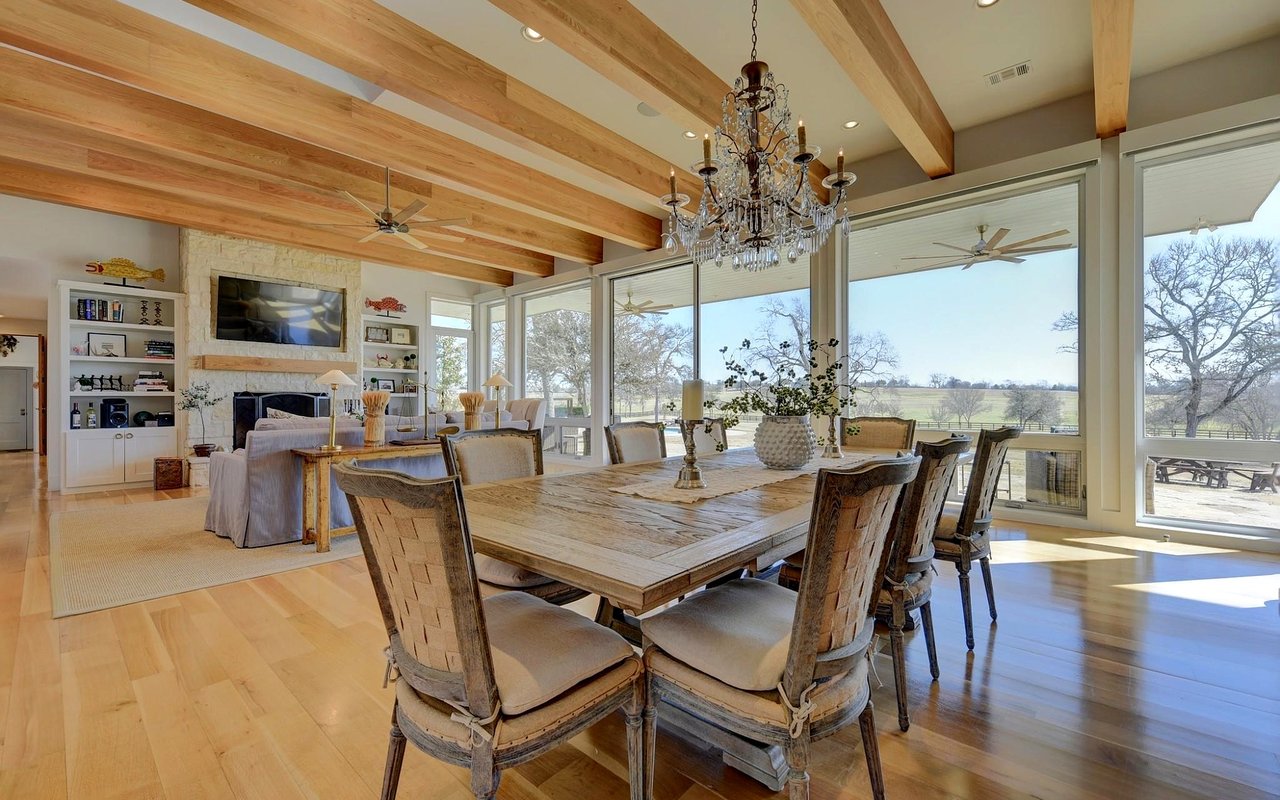
The layout of a home can greatly impact child safety. Open floor plans with clear lines of sight allow parents to keep an eye on children even while completing household tasks. Removing unnecessary clutter and keeping walkways clear reduces the risk of tripping, especially for toddlers who are still developing coordination.
Mirrors, baby monitors, and surveillance cameras can extend visibility into separate rooms or outdoor spaces. For families with pools, fencing and self-latching gates are critical components of safety, and constant adult supervision is non-negotiable.
Thoughtful furniture placement and lighting also contribute to creating a secure and navigable environment.
Mirrors, baby monitors, and surveillance cameras can extend visibility into separate rooms or outdoor spaces. For families with pools, fencing and self-latching gates are critical components of safety, and constant adult supervision is non-negotiable.
Thoughtful furniture placement and lighting also contribute to creating a secure and navigable environment.
Ready to Child-Proof Your Brenham, TX, Home?
A safe and nurturing home environment is foundational to a child’s health and well-being. From securing furniture to installing outlet covers and regulating water temperature, every step taken enhances safety and brings peace of mind to parents and caregivers.
For families buying or selling in the area and looking to better understand what makes a home family-friendly, reach out to The Lindi | Camaron Team. Their experience and deep knowledge of local properties ensure you’ll find a space that meets your safety needs while also supporting the lifestyle your family deserves.
For families buying or selling in the area and looking to better understand what makes a home family-friendly, reach out to The Lindi | Camaron Team. Their experience and deep knowledge of local properties ensure you’ll find a space that meets your safety needs while also supporting the lifestyle your family deserves.